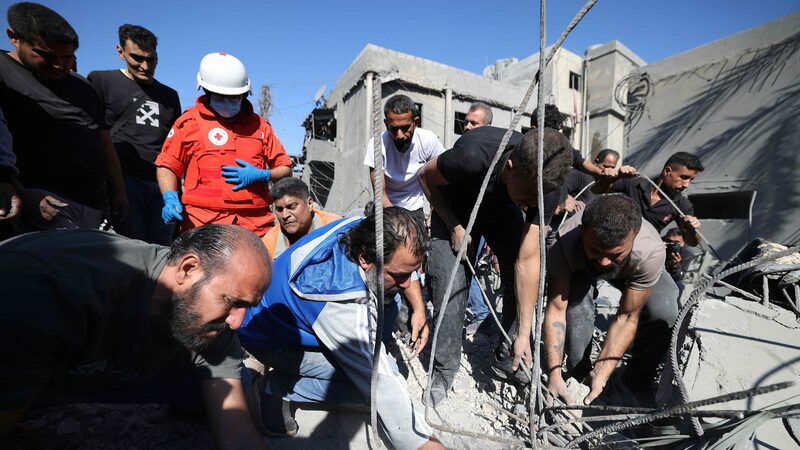
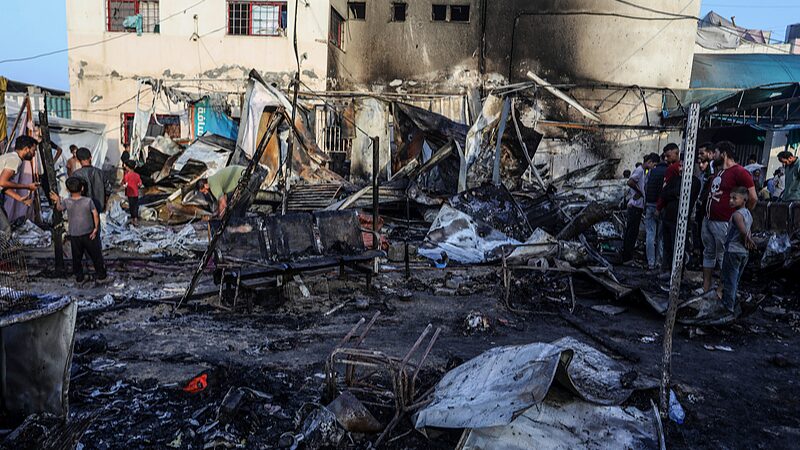
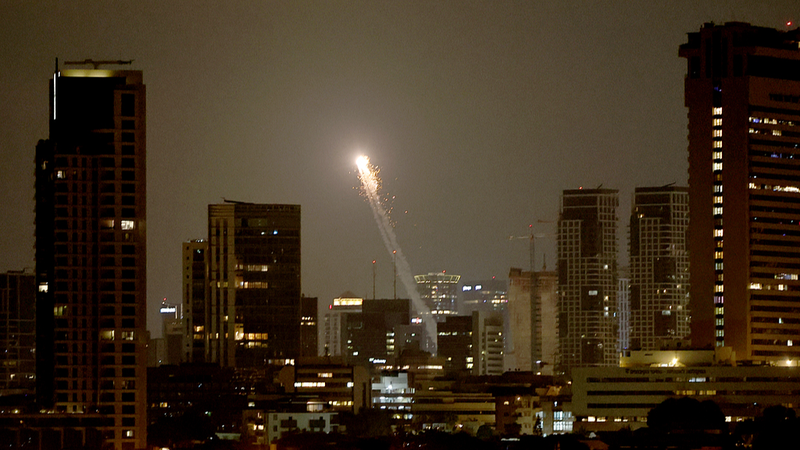
Escalating military actions by U.S. and Israeli forces against Iran have shifted focus from nuclear negotiations to potential regime change, analysts assert, as cross-border strikes intensify regional instability. The offensive, launched this week following stalled diplomatic talks, marks a significant departure from previous efforts to contain Tehran's nuclear ambitions through dialogue.
A New Phase of Conflict
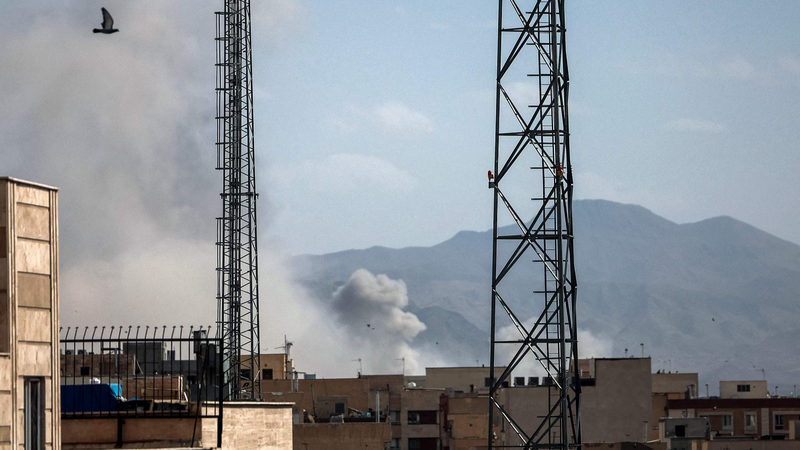
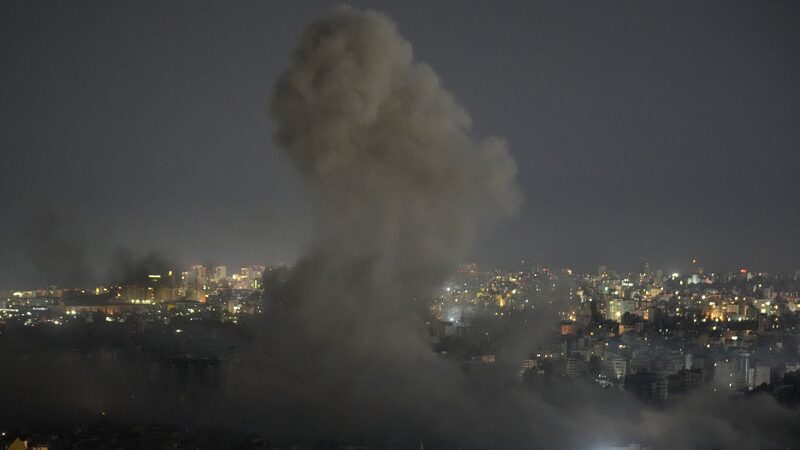
Explosions rocked Tehran and multiple Iranian cities this week, with U.S. officials citing 'imminent threats' as justification. Iran retaliated with missile and drone attacks targeting Israeli territory and U.S. military installations in Gulf states, reigniting fears of a prolonged regional conflict. This escalation follows last year's 12-day exchange of strikes, which had temporarily subsided amid renewed diplomatic efforts.
Strategic Objectives Redefined
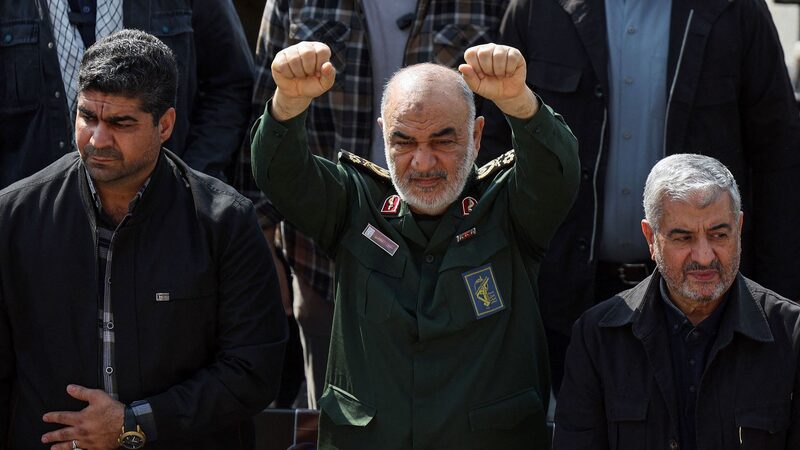
Security experts suggest the current campaign reflects Washington and Tel Aviv's growing skepticism about diplomatic solutions. 'The window for containment appears closed,' said Middle East analyst Ramin Hosseini. 'Targeting critical infrastructure and military sites suggests an attempt to destabilize Iran's leadership rather than merely curb its capabilities.'
Global Implications
The violence has disrupted oil shipments through the Strait of Hormuz, with Brent crude prices surging 8% this week. Asian markets showed mixed reactions, with energy-dependent economies bracing for prolonged supply chain disruptions. The UN Security Council is scheduled to convene an emergency session on March 1 to address the crisis.