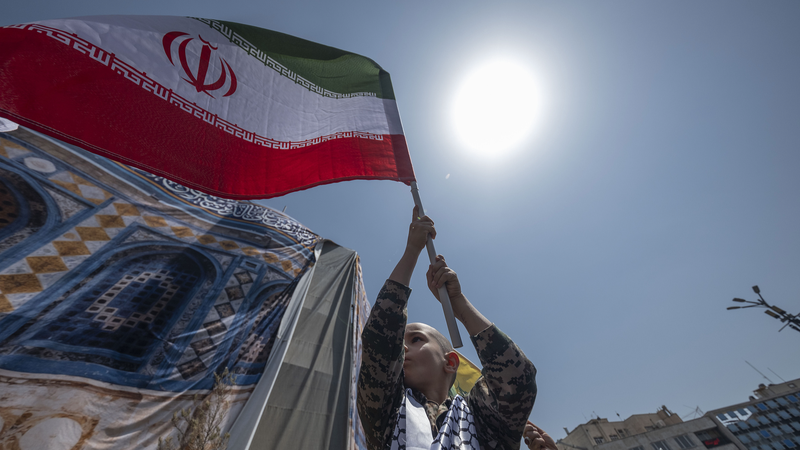
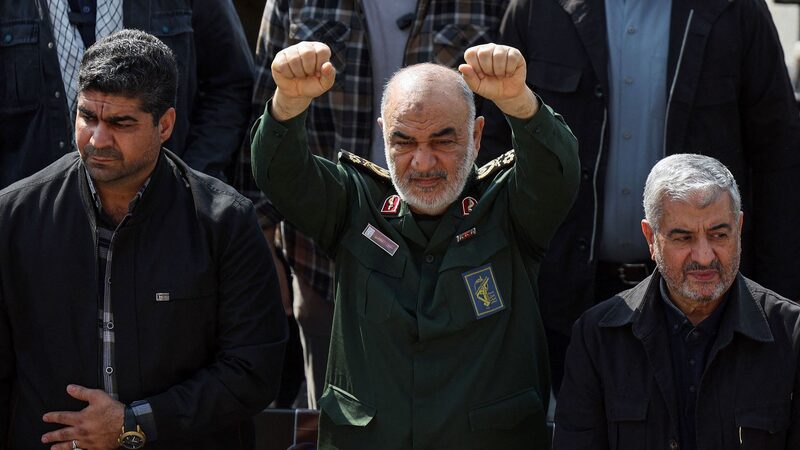
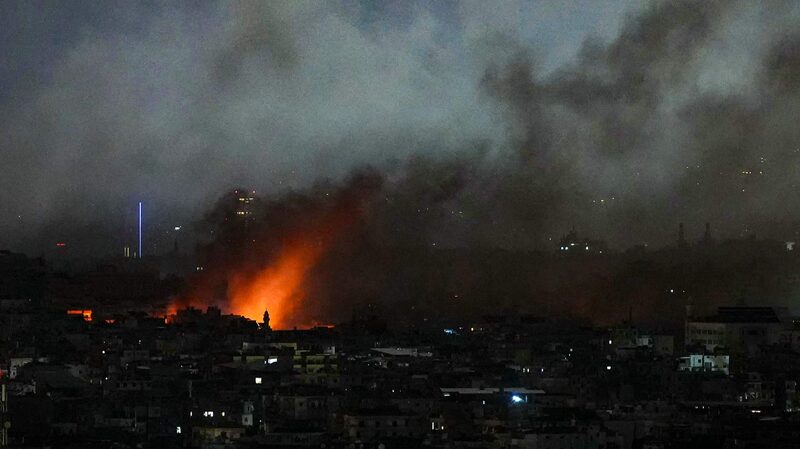
As tensions escalate in the Middle East following recent military actions involving Iran, voices from across the region and beyond are shaping a complex narrative of security concerns and diplomatic maneuvering. Here’s a breakdown of critical perspectives as of February 2026:
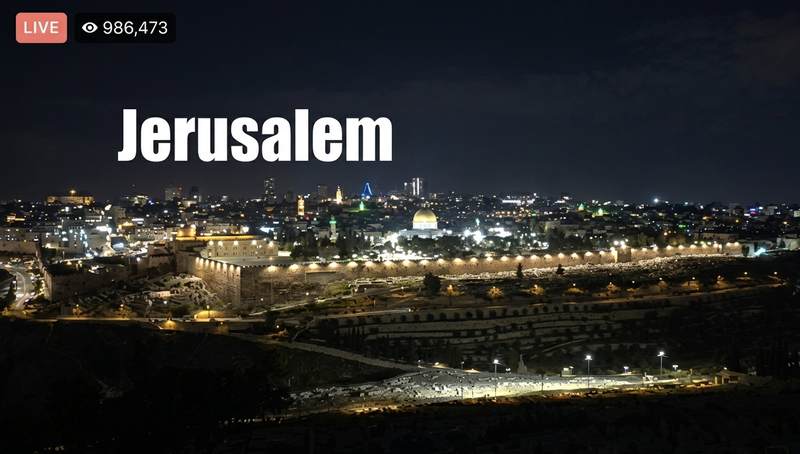
Jerusalem: Heightened Security Measures
Israeli authorities have reinforced air defense systems nationwide, with officials emphasizing preparedness for "any scenario." Analysts in Jerusalem highlight the strategic implications of recent developments for regional stability.
Tel Aviv: Public Sentiment Divided
While some residents express support for proactive security measures, others voice concerns about prolonged escalation. Local markets showed minor volatility this week, reflecting investor caution.
Doha: Calls for De-escalation
Qatari mediators have reportedly intensified backchannel communications, urging restraint from all parties. Doha-based think tanks warn of potential ripple effects on global energy markets if tensions persist.
International Stakeholders Respond
The U.S. State Department reiterated its commitment to "protecting regional allies," while European Union members debate unified response strategies. Chinese officials emphasized the need for "dialogue-first approaches" to conflict resolution.
What Comes Next?
Military analysts suggest the coming weeks will test existing defense alliances, while humanitarian organizations prepare contingency plans for civilian populations. Cross-regional trade agreements, particularly in energy and technology sectors, face renewed scrutiny.