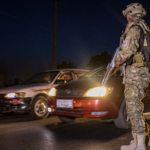
Cross-border tensions between Pakistan and Afghanistan reached new heights this week as both nations exchanged air strikes and ground offensives along the disputed Durand Line frontier. The latest escalation marks the most severe military confrontation between the neighbors in recent years.
Casualties Mount Amid Unverified Claims
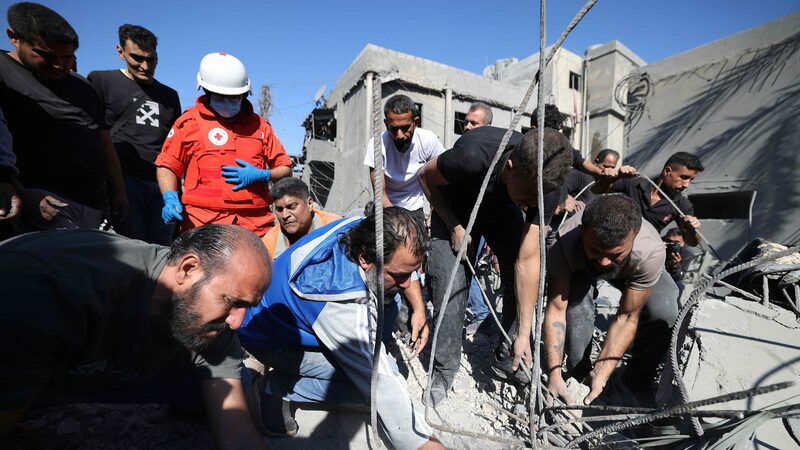
Pakistan's government reported destroying 89 Afghan checkpoints and eliminating 297 fighters in Friday's retaliatory strikes, while Afghan authorities confirmed at least 19 civilian deaths in eastern provinces. Independent verification remains challenging due to restricted media access to conflict zones.
Chronology of Escalation
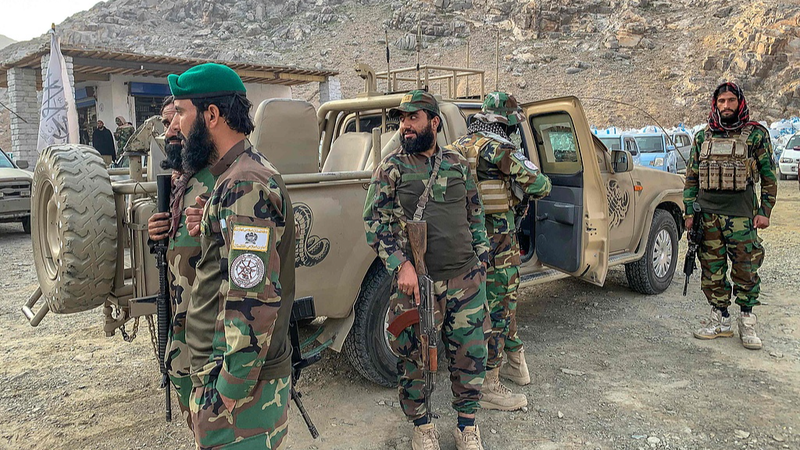
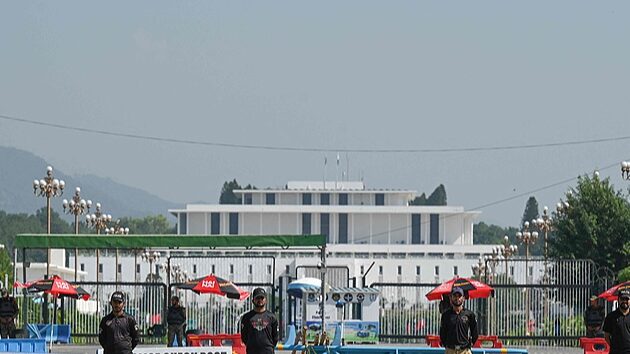
The violence intensified Thursday when Afghan forces launched ground operations against Pakistani positions, described by Kabul as retaliation for earlier Pakistani air raids. Islamabad responded Friday with precision strikes targeting military facilities in three Afghan provinces, including the capital region.
Diplomatic Overtures Amid Strikes
Despite the hostilities, Afghan spokesperson Zabihullah Mujahid reiterated Kabul's commitment to peaceful resolution through dialogue. Pakistan's Foreign Ministry maintained its actions were defensive measures against "terrorist threats," while warning of further responses to provocations.
Root Causes and Regional Impact
The conflict stems from longstanding disputes over border security and mutual accusations of sheltering militant groups. Recent Pakistani operations targeting Tehrik-i-Taliban Pakistan (TTP) hideouts in Afghanistan have particularly strained relations since February 2026.
Humanitarian Crisis Deepens
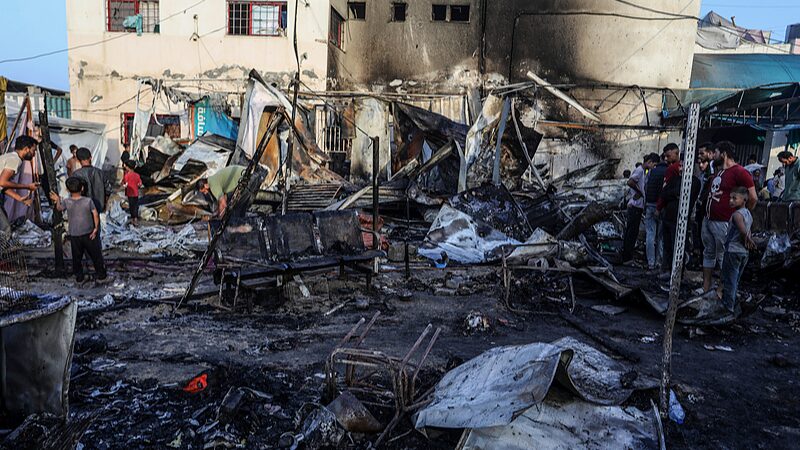
UN agencies warn of catastrophic consequences for civilians already suffering from chronic poverty and displacement. Reports of mortar strikes hitting the Omari refugee camp near Torkham border crossing highlight growing risks to vulnerable populations.
Path to De-escalation
While regional powers continue mediation efforts, defense analyst Dr. Tughral Yamin emphasizes: "Sustained peace requires verifiable confidence-building measures and third-party monitoring mechanisms. Military solutions risk destabilizing the entire region."