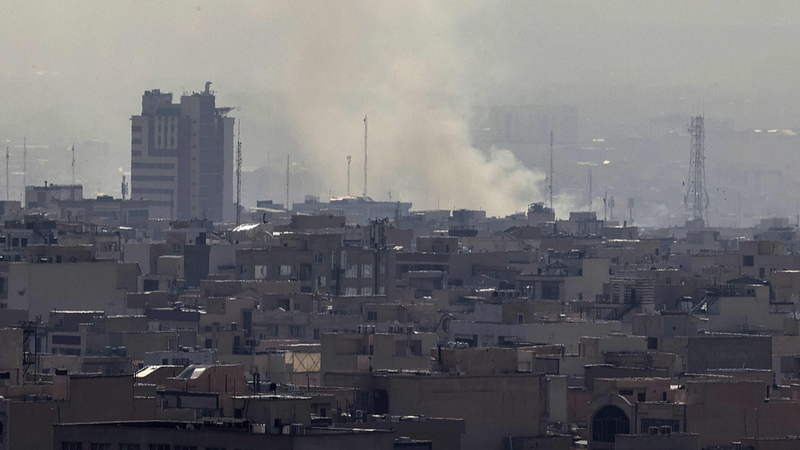
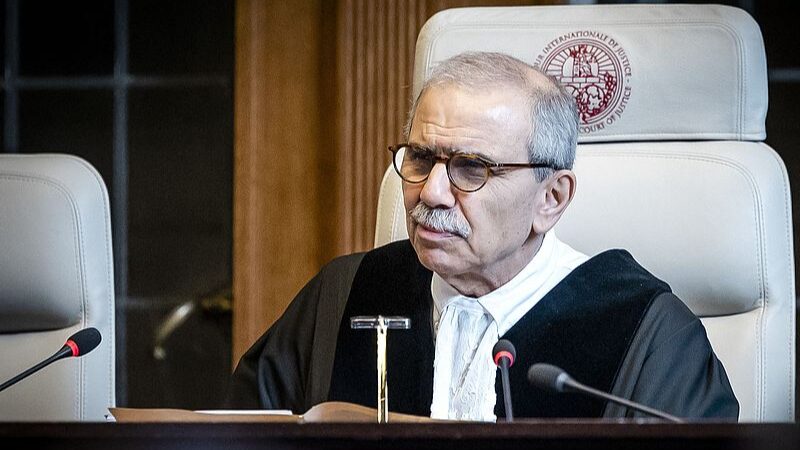
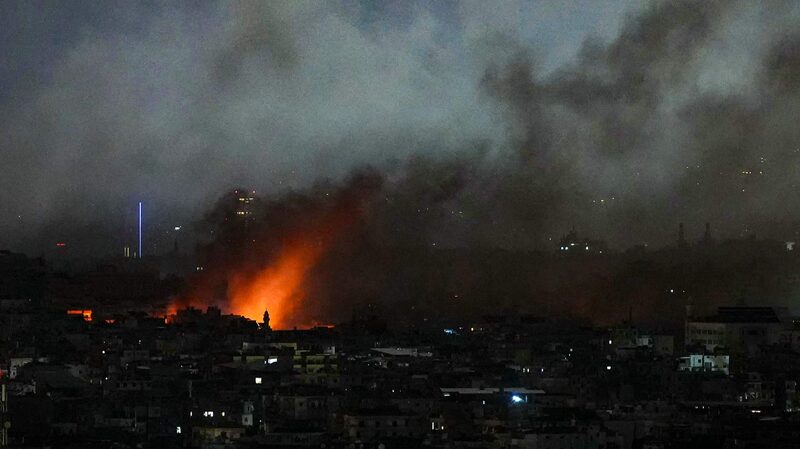
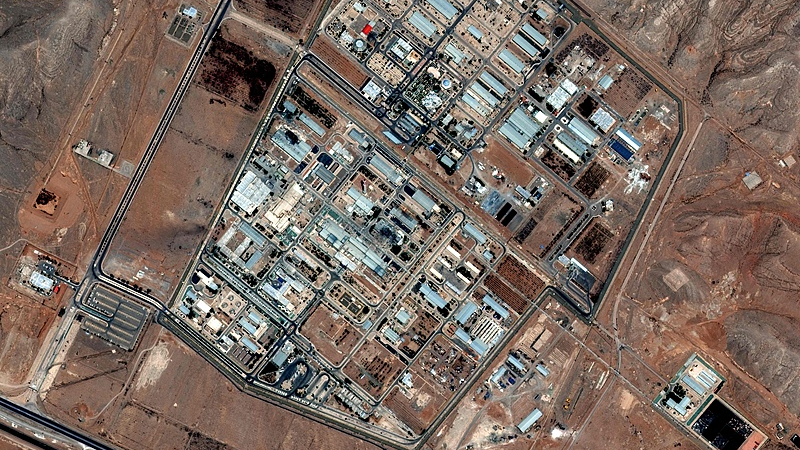
International reactions poured in swiftly following joint U.S.-Israel military strikes against Iran on February 28, 2026, with multiple governments warning of escalating regional instability and calling for diplomatic solutions.
Regional Responses
Egypt's foreign ministry emphasized the urgent need for political dialogue, while Yemen's Houthi group accused Washington and Tel Aviv of deliberately undermining regional security frameworks. Lebanon's Prime Minister Nawaf Salam firmly stated his nation would not be drawn into conflict, urging citizens to prioritize national unity.
Global Diplomatic Push
Russia condemned the strikes as "premeditated armed aggression" violating international law, warning of potential humanitarian and radiological consequences. European Union leaders jointly called for maximum restraint, with France's President Macron declaring the escalation "dangerous for all." The UK confirmed enhanced defensive deployments while advocating de-escalation.
Qatar's Firm Stance
In a notable development, Qatar formally condemned Iranian missile strikes on its territory as sovereignty violations, reserving the right to respond proportionally under international law. This marks the first direct Qatari-Iranian military confrontation in recent years.
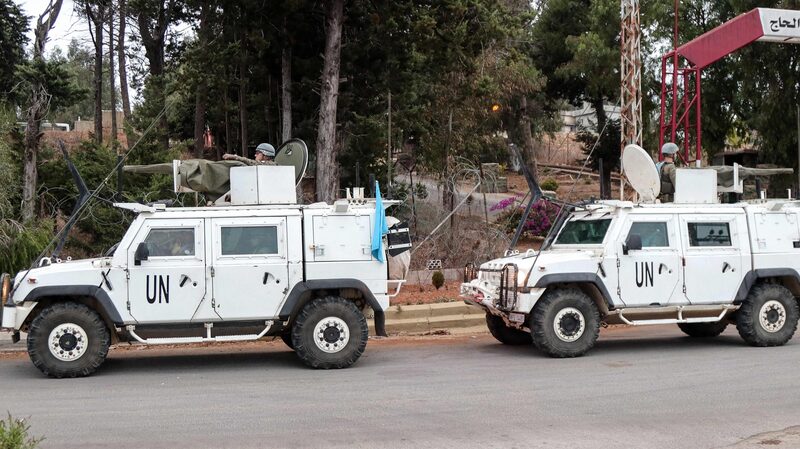
As night fell across the Middle East, Spain's Prime Minister Sánchez warned of deteriorating global stability while UN officials worked to coordinate emergency diplomatic channels. With no immediate signs of de-escalation, analysts warn the 2026 strikes could redefine security paradigms across Western Asia.