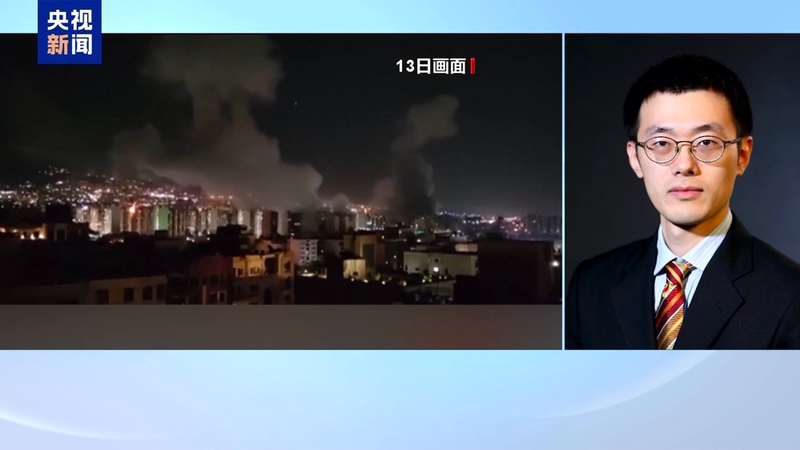
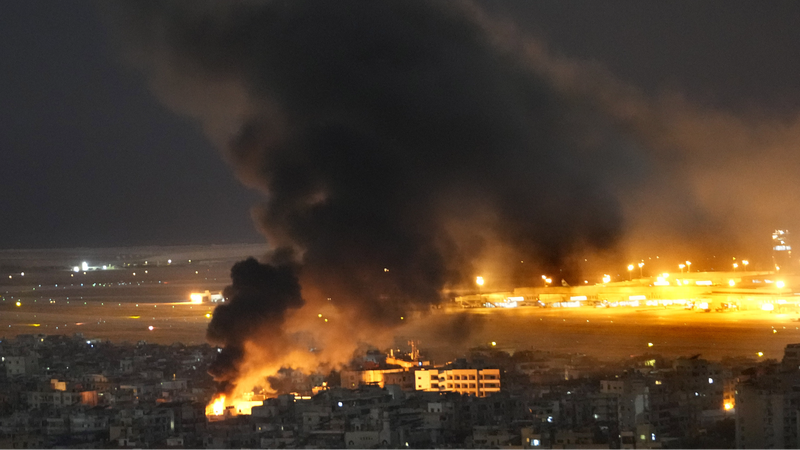
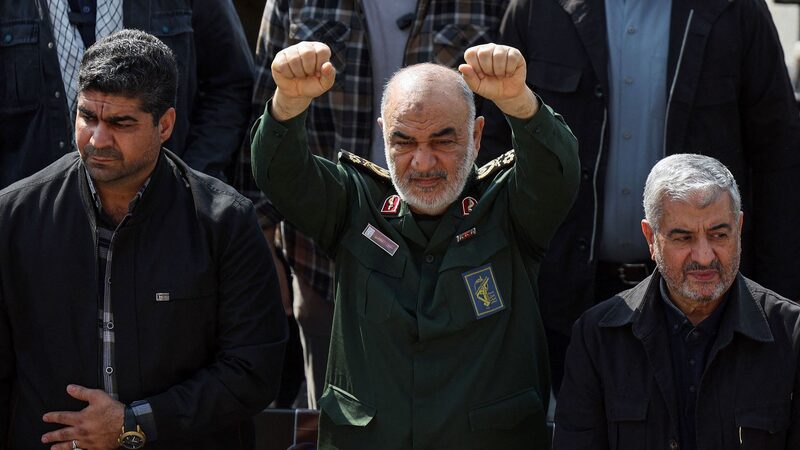
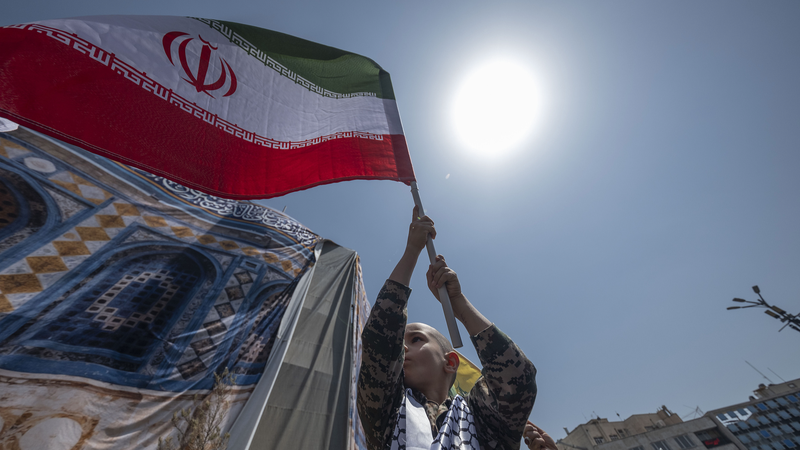
Recent military actions against Iran carry heightened risks of escalation compared to last year's 12-day strikes in June 2025, according to analysts interviewed by CGTN. Sun Taiyi, a U.S.-based political science professor, noted the current deployment of two U.S. carrier strike groups signals a 'stronger deterrence posture' and elevated military readiness in the region.
Wang Jin, a Chinese strategic studies expert, highlighted a critical shift in diplomatic dynamics: 'Previously, Israel launched attacks first. This time, negotiations preceded military action – but they failed to bridge gaps.' He explained Tehran perceives its concessions as substantial, while Washington and Jerusalem view them as insufficient for meaningful progress.
The developments come as global energy markets show increased volatility, with Brent crude futures rising 4% this week. Business analysts warn prolonged tensions could disrupt shipping lanes in the Strait of Hormuz, through which 21% of global oil consumption passes annually.