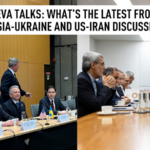
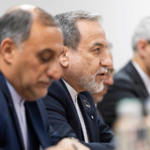
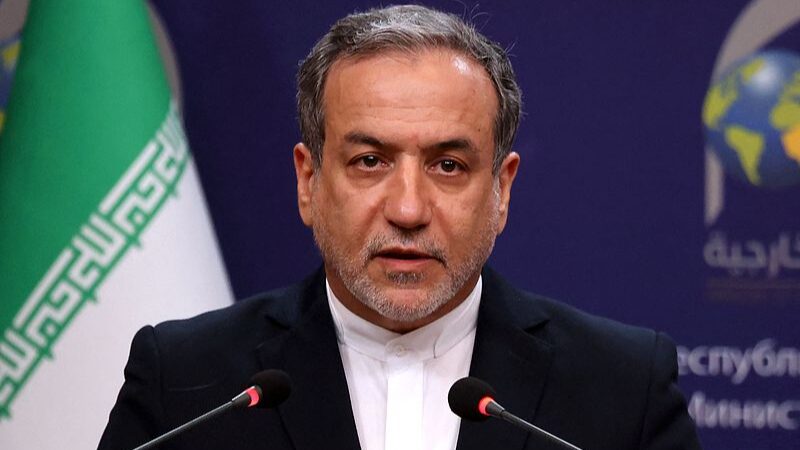
U.S.-Iran nuclear negotiations entered a critical phase this month, with three rounds of talks held since early February 2026. The latest round concluded Thursday in Geneva, Switzerland, described by Iranian Foreign Minister Seyed Abbas Araghchi as "the most serious and longest" dialogue to date. While no agreement has been finalized, diplomatic momentum continues amid heightened regional tensions.
Military Posturing Shadows Diplomacy
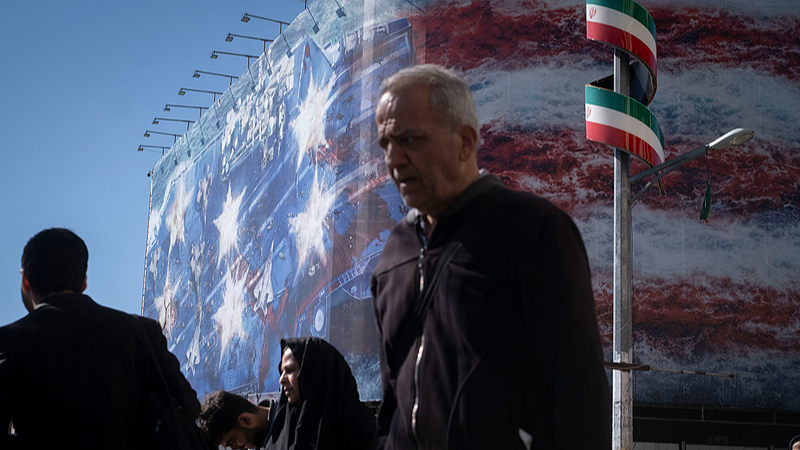
Negotiations unfolded against a backdrop of U.S. military mobilization, including two aircraft carrier strike groups and over 100 fighter jets deployed to the Middle East – the largest such buildup in decades. Analysts suggest this display aims to pressure Tehran while providing Washington leverage at the bargaining table.
From Muscat to Geneva: A Timeline
The first round began February 6 in Muscat, Oman, featuring indirect talks mediated by Omani officials. U.S. delegates included Middle East envoy Steve Witkoff and Jared Kushner, while Iran's team was led by Araghchi. Discussions focused narrowly on nuclear issues, with Tehran firmly rejecting demands to limit missile development or export uranium reserves.
Subsequent rounds saw expanded agendas, though details remain confidential. Observers note the talks' continuation itself signals cautious optimism, given the 2026 negotiations mark the first sustained high-level contact between the nations in nearly a decade.