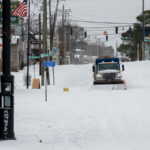
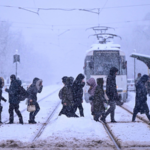
A historic winter storm crippled the northeastern United States this week, with blizzard conditions on February 23, 2026 causing widespread disruption to one of the world's most economically significant regions. Major cities from Washington D.C. to Boston reported record-breaking snowfall totals exceeding 24 inches, grounding thousands of flights and stranding international travelers.
Global Economic Implications
The storm's timing during peak business hours disrupted supply chains linking Asian manufacturers to U.S. markets. Analysts note delayed shipments from major Chinese mainland ports and temporary closures of automotive plants in the Republic of Korea awaiting components from affected areas. "This event underscores the vulnerability of global trade networks to climate extremes," said Dr. Mei Lin, a Singapore-based risk analyst.
Travel Sector Challenges
Over 8,000 flights were canceled globally, with Asian carriers like ANA and Singapore Airlines rerouting trans-Pacific journeys. The disruption comes during peak travel season for Asian students visiting U.S. universities and business professionals attending conferences. Travel insurance claims related to the event are projected to surpass $200 million USD.
Regional Comparisons Emerge
Meteorologists highlight parallels to Japan's 2022 snowstorms that paralyzed Hokkaido, emphasizing improved disaster response coordination between Asian and North American weather agencies since 2024. Current models suggest normal weather patterns will resume by March 1, with no immediate impact forecast for cross-Pacific trade winds vital to regional commerce.