New Technique Reveals Cellular Worlds in Unprecedented Detail
Harvard University researchers have unveiled a revolutionary microscopy method that simultaneously captures nanometer-scale cellular structures and protein locations—a feat previously requiring separate imaging processes. Presented at the 70th Biophysical Society Annual Meeting in San Francisco last week, this innovation could redefine how scientists study diseases and biological processes.
One Beam, Dual Insights
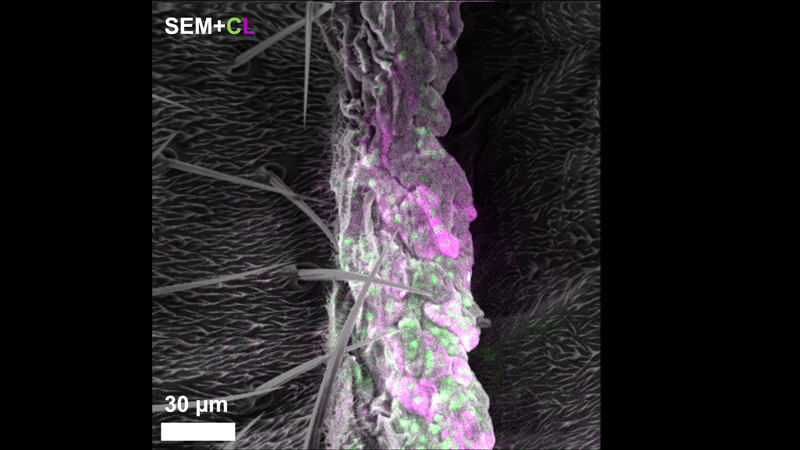
The technology uses a single electron beam to trigger cathodoluminescence in specialized protein-binding probes, eliminating the need for dual workflows. This allows real-time observation of molecular interactions within intricate cellular frameworks, validated in mammalian cells and fungus-infected fruit flies.
From 2D to 3D Horizons
While currently limited to two-dimensional imaging, the team plans to integrate cryo-electron microscopy for 3D cellular reconstruction. This advancement could accelerate drug discovery and deepen understanding of cellular signaling mechanisms, positioning 2026 as a landmark year for biomedical imaging.