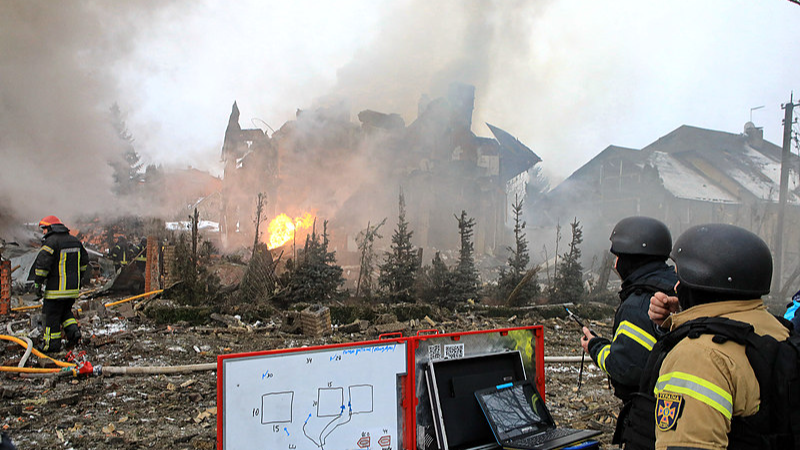
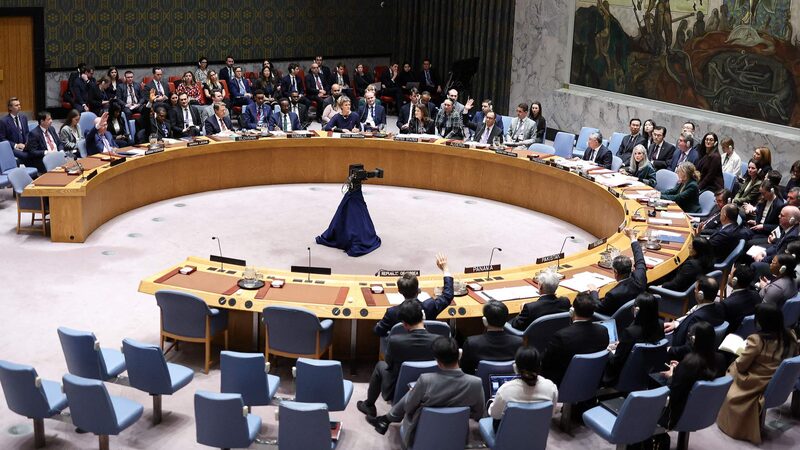
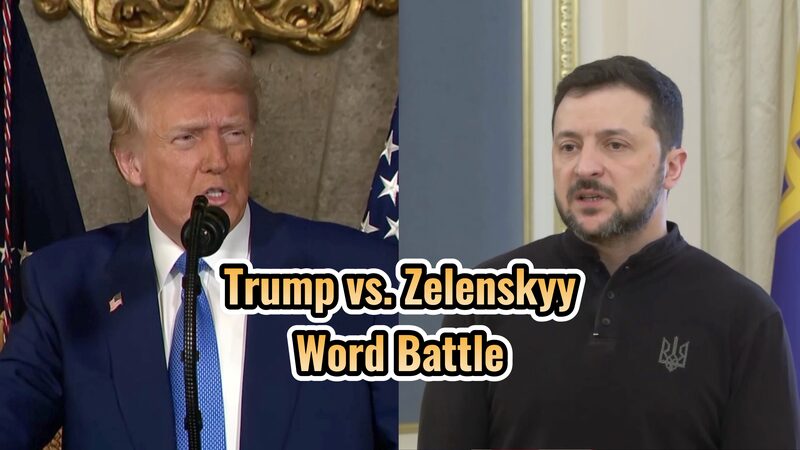
As the Russia-Ukraine conflict marks its fourth anniversary on February 24, 2026, renewed diplomatic efforts by the U.S., Ukraine, and Russia have yet to yield breakthroughs. Two days of trilateral talks concluded this week without progress on core issues, fueling debates over whether the war is nearing a turning point or settling into a prolonged stalemate.
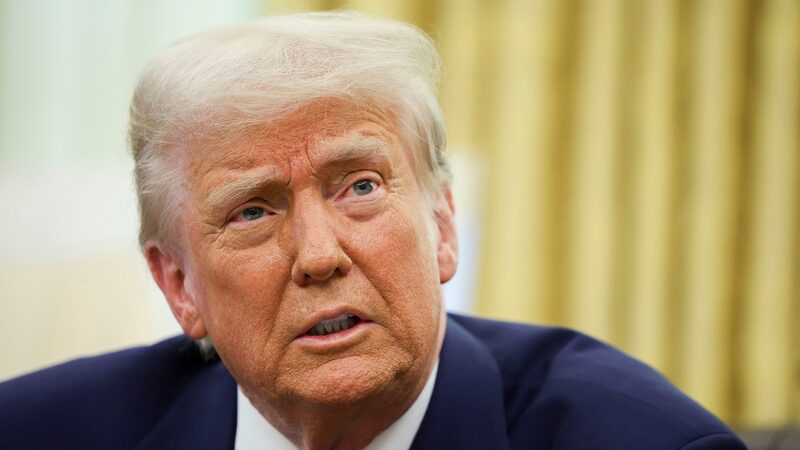
Experts highlight structural disagreements between Moscow and Kyiv as the primary barrier to resolution. Wang Jin, director of the Center for Strategic Studies at Northwest University, told media that Washington’s push for a ceasefire before June appears tied to U.S. domestic politics, particularly midterm election calculations. “Major divergences remain on key details,” Wang cautioned, emphasizing the need for sustained mediation.
Cui Zheng of Liaoning University’s Research Center for Russia, Eastern Europe, and Central Asian Countries described the current diplomatic window as “fragile.” He noted that without synchronized incentives for peace, battlefield dynamics could overshadow negotiations. “If this opportunity passes, both sides may prioritize military gains over dialogue,” Cui warned, suggesting the conflict could extend into 2027 without decisive action.
While analysts acknowledge slight strategic adjustments by both parties over the past four years, territorial disputes and security guarantees remain unresolved. With the U.S. reportedly aiming to broker a pre-June ceasefire, observers warn that failure to bridge gaps on issues like Donbas and NATO alignment risks entrenching divisions across Europe and global energy markets.