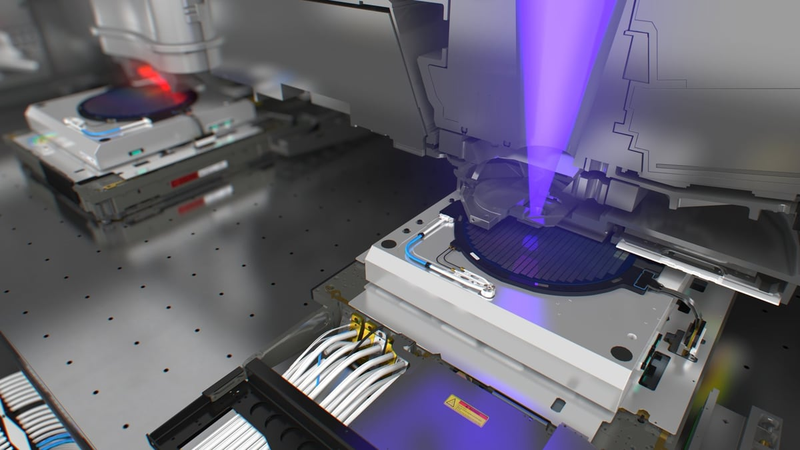
ASML Holding NV, the sole manufacturer of extreme ultraviolet lithography (EUV) machines critical for advanced semiconductor production, announced a groundbreaking advancement this week that could increase global chip output by up to 50% by 2030. The innovation centers on boosting the power of EUV light sources to 1,000 watts—a milestone experts call transformative for the $600 billion semiconductor industry.
Revolutionizing Chip Manufacturing
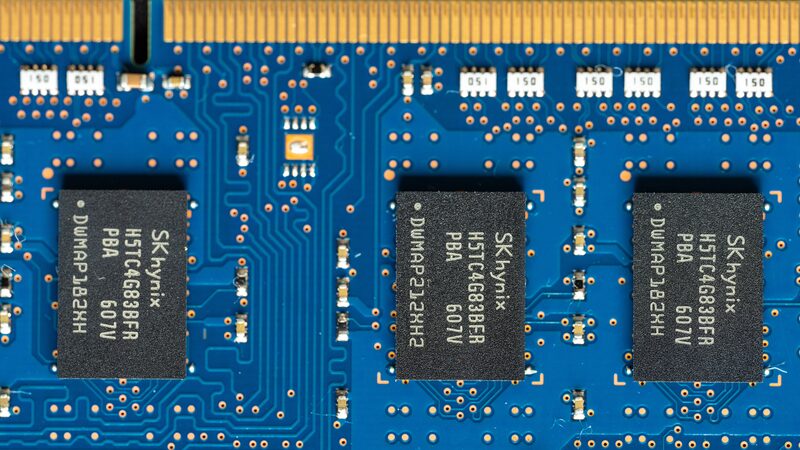
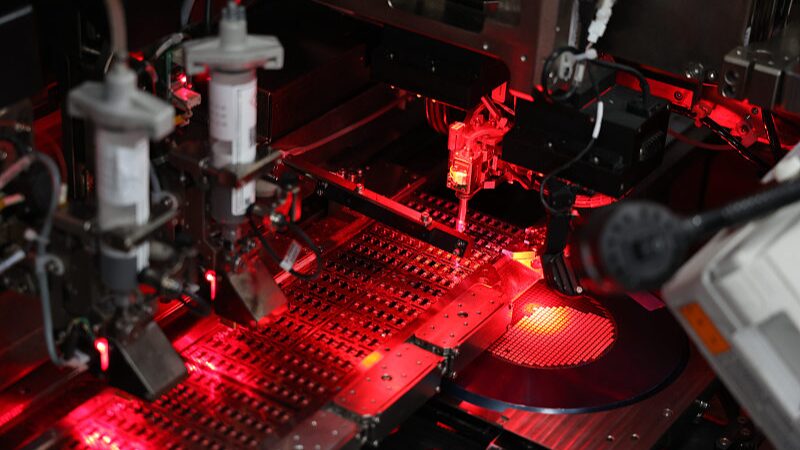
At the heart of the breakthrough is ASML's enhanced ability to generate 13.5-nanometer wavelength light using a refined tin-droplet plasma process. By doubling tin droplet frequency to 100,000 per second and optimizing laser shaping techniques, the Dutch firm's machines could process 330 silicon wafers hourly by 2030, up from 220 today. Each wafer yields dozens to thousands of chips powering devices from smartphones to AI systems.
"This isn't a lab experiment—it's production-ready technology that meets all customer requirements," said ASML lead technologist Michael Purvis during a demonstration at the company's California facilities. The advancement comes as global demand for advanced chips grows 12% annually, driven by AI, quantum computing, and 6G networks.
Economic Implications for Asia
With Taiwan region-based TSMC and South Korea's Samsung Electronics accounting for 70% of advanced chip production, ASML's innovation could significantly strengthen Asia's semiconductor dominance. Reduced exposure times per wafer layer—enabled by the brighter EUV light—may lower per-chip costs by an estimated 18-22%, according to industry analysts.
Teun van Gogh, ASML's EUV systems executive, emphasized the strategic timing: "Our customers need these efficiency gains to meet 2030 demand projections." The technology arrives as governments across Asia invest $240 billion in new semiconductor fabs, per 2026 World Semiconductor Trade Statistics data.
Scientific Validation and Future Roadmap
Colorado State University laser expert Jorge J. Rocca, whose lab trained ASML engineers, praised the achievement: "Reaching 1,000 watts seemed improbable five years ago. This opens paths to 1,500-2,000 watts through continued refinement." ASML plans phased rollouts of upgraded EUV systems starting Q3 2027, with full deployment expected by 2029.