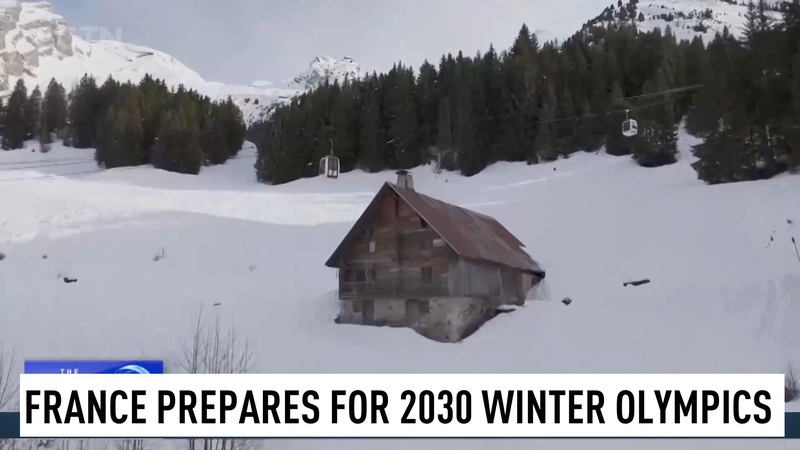
As the French Alps prepare to host the 2030 Winter Olympics, organizers face mounting pressure to deliver a Games that balances environmental responsibility with financial pragmatism. With only four years remaining until the opening ceremony, climate scientists and economists warn that rising temperatures and shrinking snowpacks could redefine winter sports logistics.
Climate Challenges Reshape Preparations
Researchers like INRAE Grenoble’s Hugues Francois emphasize that while artificial snow technology enables competition in warming Alpine regions, escalating production costs threaten long-term viability. "Increasing snowmaking needs pose economic risks for resorts and organizers alike," Francois told CCTN, highlighting a dilemma facing all mountain-based winter events.
IOC Urges Accelerated Timeline
The International Olympic Committee has expressed concerns about France’s progress, with coordination chair Pierre-Olivier Beckers-Vieujant noting delayed deliverables. "Decisions taken this year will shape the project’s trajectory," he stated, referencing 2026 as a critical planning phase for the $1.9 billion budget.
Legacy-First Strategy
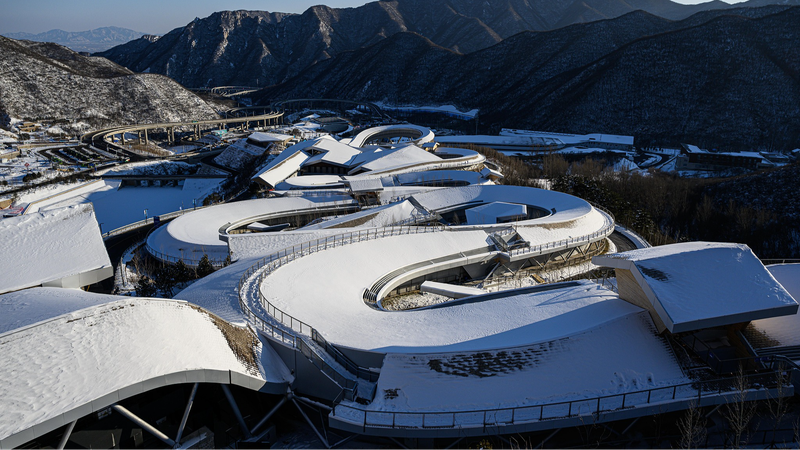
French organizers promise 93% reuse of existing venues, positioning Nice’s coastal ice facilities alongside upgraded Alpine sites. Detailed sustainability benchmarks for emissions and transport will be released in April 2026, aiming to avoid the cost overruns that plagued previous hosts like Sochi and Pyeongchang.
Australian snowboarder Scotty James reflects athlete optimism: "As long as I’m feeling good mentally and physically, trying again in four years isn’t a big ask." Yet behind the sporting spirit lies a pivotal test – proving mega-events can adapt to climate realities without sacrificing spectacle or fiscal responsibility.