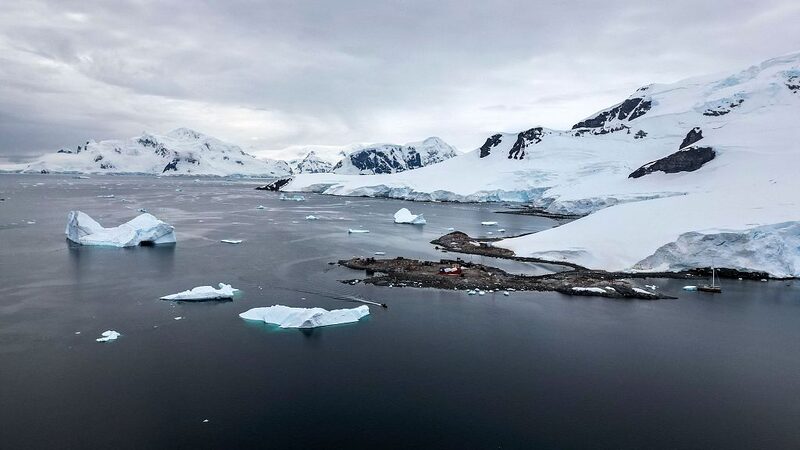
In a landmark development for polar conservation, scientists have successfully tested environmental DNA (eDNA) technology to safeguard Antarctica's fragile marine ecosystems. The innovative approach, pioneered by researchers from the Australian Antarctic Program, could revolutionize biosecurity measures for one of Earth's most pristine environments.
DNA Detectives in Icy Waters
During a 2022 research voyage from Tasmania to Macquarie Island, scientists collected water samples to detect genetic traces of invasive species clinging to ship hulls. Published in Science of The Total Environment, the study demonstrates how eDNA analysis can identify biofouling organisms before they establish in polar regions.
"This is like a molecular early warning system," explained lead researcher Leonie Suter from the University of Tasmania. "By analyzing environmental samples, we can detect invasive species with unprecedented precision, even at low concentrations."
Protecting the White Continent
The timing is critical as shipping activity in Antarctic waters continues to grow. Current biosecurity protocols rely heavily on visual hull inspections, which often miss microscopic organisms. The new eDNA method allows for:
Real-time monitoring of ship biofouling
Targeted cleaning before sensitive areas
Data-driven conservation policies
With Antarctica's unique biodiversity facing unprecedented climate pressures, this technological advancement offers hope for preserving its ecological balance. Researchers are now working to implement standardized eDNA protocols across international Antarctic programs.