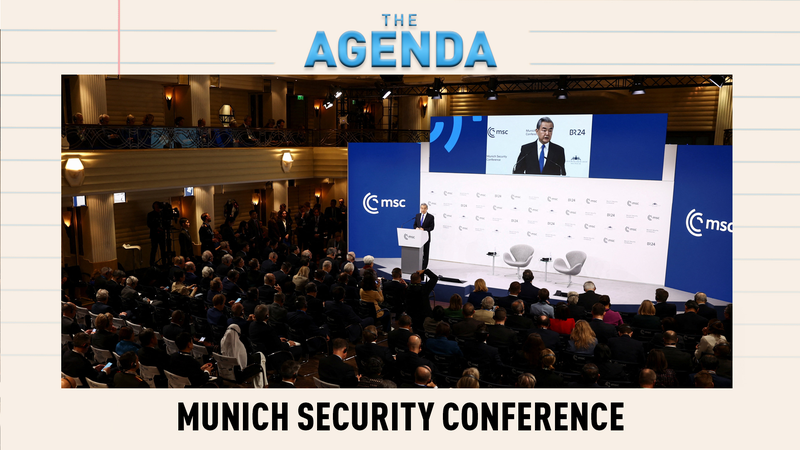
This year's Munich Security Conference has reignited global debates on the future of international cooperation, with discussions centering on strategic autonomy, multipolarity, and the evolving role of alliances. Against the backdrop of a rapidly changing geopolitical landscape, leaders and analysts examined how nations are recalibrating their approaches to security, trade, and governance in 2026.
European representatives emphasized the delicate balance between maintaining transatlantic ties and pursuing greater strategic independence. 'Europe is not seeking confrontation, but we must prioritize our capacity to act decisively in critical areas,' stated one EU delegate during closed-door sessions. Meanwhile, interpretations of U.S. foreign policy objectives varied widely, with some participants expressing concerns about persistent unilateral tendencies.
Professor Wang Wen of Renmin University highlighted opportunities for China-Europe collaboration: 'Practical cooperation in green technology and digital infrastructure could serve as anchors for stabilizing multilateral frameworks.' However, University of Surrey's Mark Shanahan cautioned that 'translating dialogue into action requires overcoming structural disagreements on market access and regulatory alignment.'
Historical perspectives from American University's Peter Kuznick added depth to discussions about nuclear diplomacy and alliance structures. The conference concluded without consensus on whether current trends point toward fragmentation or renewed cooperation, leaving 2026 poised as a pivotal year for testing new models of global engagement.