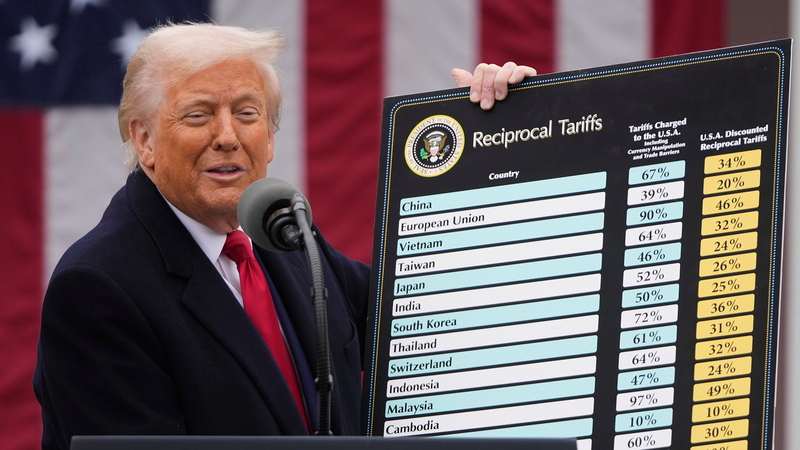
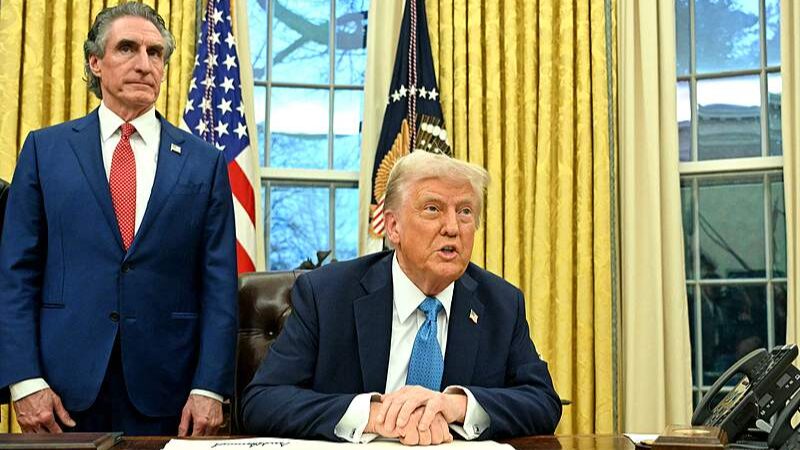
Global leaders are assessing the implications of a US Supreme Court ruling on February 21, 2026, which struck down former President Donald Trump's sweeping tariffs imposed under emergency economic powers. While the decision invalidates tariffs enacted via the International Emergency Economic Powers Act (IEEPA), sector-specific duties on steel, aluminum, and other goods remain intact. Trump has since vowed to impose a new 10% tariff on all imports under separate authority, prompting cautious responses worldwide.
European Union
EU trade spokesman Olof Gill emphasized the bloc's focus on stability, stating they are "closely analyzing the ruling" and maintaining dialogue with US officials. Germany's BDI industry group praised the decision as proof of "strong separation of powers" in the US.
United Kingdom
The UK government expressed confidence in its "privileged trading position" with the US, referencing a 2025 bilateral deal that reduced steel and automotive tariffs. Officials pledged to collaborate with Washington to clarify the ruling's impact.
France
President Emmanuel Macron highlighted the importance of judicial checks in democracies, calling the ruling a validation of "reciprocity over unilateral decisions." Economy Minister Roland Lescure noted tariffs are now "open to debate."
Canada & Mexico
Canadian Trade Minister Dominic LeBlanc reiterated that tariffs were "unjustified," though sector-specific measures persist. Mexico, which sends 80% of exports to the US, is evaluating potential effects of Trump's proposed 10% levy, according to Economic Minister Marcelo Ebrard.
Analysts warn the ruling may prompt new trade mechanisms, with Canada's Chamber of Commerce urging preparedness for "broader and more disruptive" US policies.