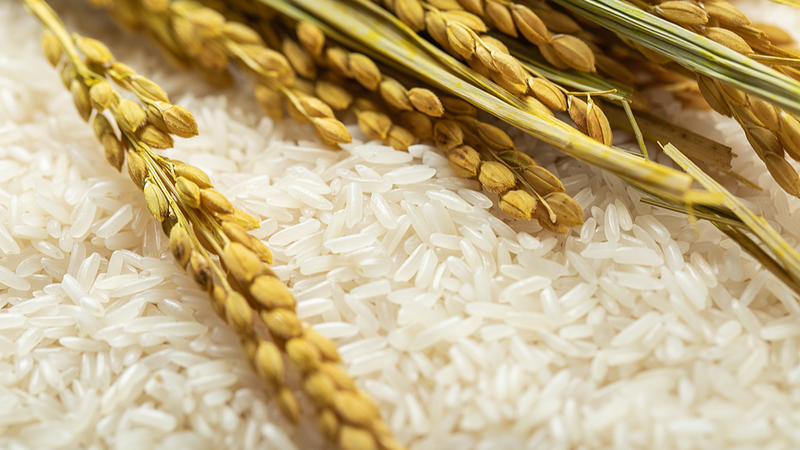
Ugandan scientists are poised to revolutionize the country's agricultural landscape with new aromatic rice varieties that could significantly reduce import dependency while empowering local farmers. As of February 2026, these domestically developed grains are undergoing final evaluations before anticipated nationwide distribution.
Bridging the Quality Gap
The National Agricultural Research Organisation (NARO), supported by Japanese expertise, has spent years perfecting rice strains that mimic popular imported varieties. Dr. Jimmy Lamo, lead rice breeder, explains: "Our focus extends beyond yield to consumer preferences – aroma, texture, and cooking quality must match urban market demands."
Market-Driven Development
Unlike previous initiatives, this program incorporates feedback from farmers, millers, and traders throughout the development process. Richard Byekwaso, a Kampala-based rice trader, acknowledges progress but notes: "Success requires parallel improvements in milling technology and quality control to compete with imports."
Economic Implications
With rice consumption rising 58% over the past decade, Uganda currently spends $150 million annually on imports. The new varieties could:
Reduce foreign currency expenditure
Increase smallholder farmer profits by up to 40%
Create export opportunities in neighboring markets
Researchers emphasize that successful implementation requires coordinated efforts across public and private sectors, particularly in post-harvest processing infrastructure.