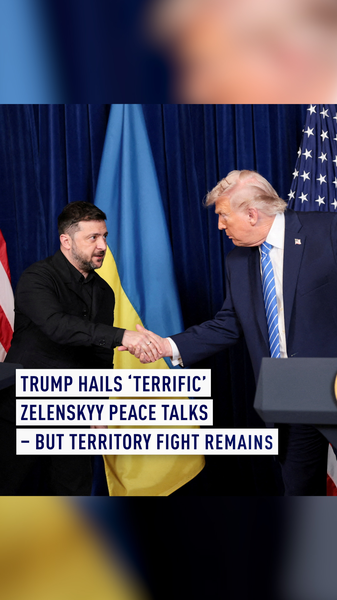
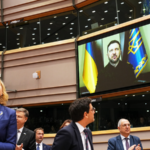
High-stakes peace talks between Ukraine, the United States, and Russia concluded on February 18 without resolution, as Ukrainian President Volodymyr Zelenskyy criticized the outcome while U.S. officials emphasized incremental progress. The negotiations occurred against the backdrop of intensified Russian attacks on Ukrainian infrastructure and ongoing battlefield pressures.
Divergent Perspectives Emerge
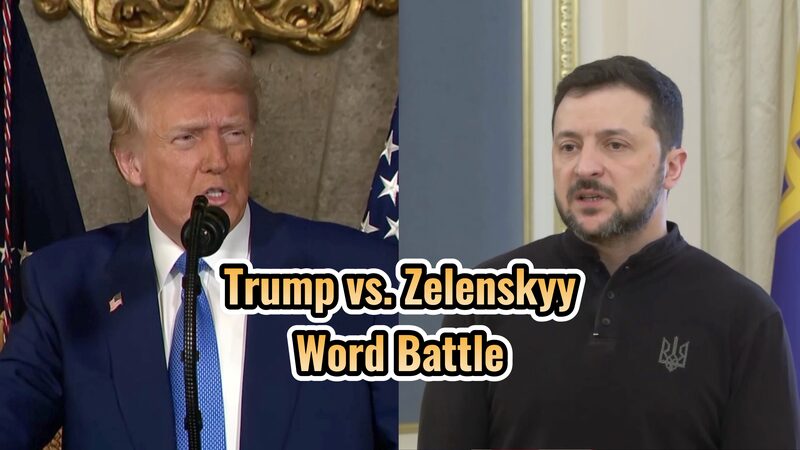
Zelenskyy described the discussions as insufficient in addressing critical political compromises, stating in a late-night address: "As of today, we cannot say that the result is sufficient." Meanwhile, White House spokeswoman Karoline Leavitt highlighted "meaningful progress" and confirmed plans for future dialogue. Kremlin spokesman Dmitry Peskov acknowledged the "difficult" nature of talks but confirmed Russia\'s commitment to continued engagement.
Strategic Implications for Asia
While focused on Europe, the negotiations carry implications for Asian security dynamics and global energy markets. Business analysts note potential ripple effects on commodity prices and supply chains, particularly for countries reliant on Ukrainian agricultural exports and Russian energy. Academics emphasize the talks\' significance for understanding modern conflict resolution frameworks applicable to Asian geopolitical tensions.
Path Forward Uncertain
With no fixed date set for subsequent negotiations, international observers remain divided on the likelihood of near-term resolution. The involvement of U.S. mediators and European representatives adds complexity to discussions occurring during an election year in Washington. Zelenskyy\'s push for accelerated diplomacy contrasts with Moscow\'s measured approach, leaving millions of displaced Ukrainians in limbo as winter hostilities continue.