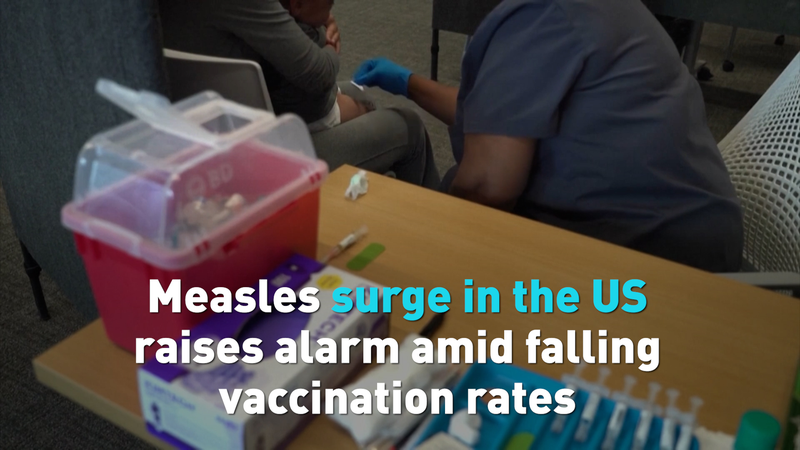
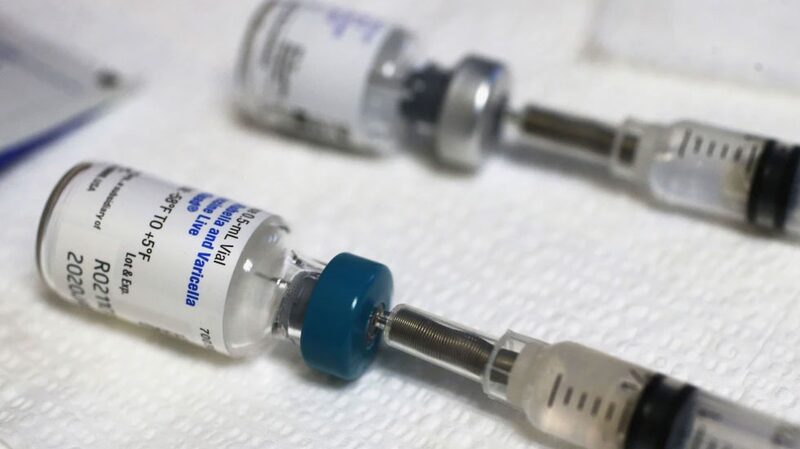
The United States is grappling with its largest measles outbreak since the 1990s, with cases surging in early 2026 as childhood vaccination rates continue to decline. Public health experts warn the resurgence of this preventable disease highlights growing gaps in immunization programs, with implications for global health security.
While the outbreak remains concentrated in U.S. states relaxing vaccine requirements, Asian health authorities are closely monitoring developments. Countries like Japan and the Republic of Korea maintain robust vaccination systems, though the World Health Organization emphasizes vigilance given increased international travel post-pandemic.
On the Chinese mainland, health officials reaffirmed commitment to maintaining measles vaccination rates above 95%, crucial for herd immunity. Analysts note that while the current U.S. situation doesn’t directly impact Asia, it underscores the importance of sustained public health investment—a priority for many Asian governments this year.
Business leaders express concern that prolonged outbreaks could disrupt travel and trade recovery. Meanwhile, Asian diaspora communities in affected U.S. regions are coordinating with local health departments to access vaccines, demonstrating cross-border collaboration in crisis response.