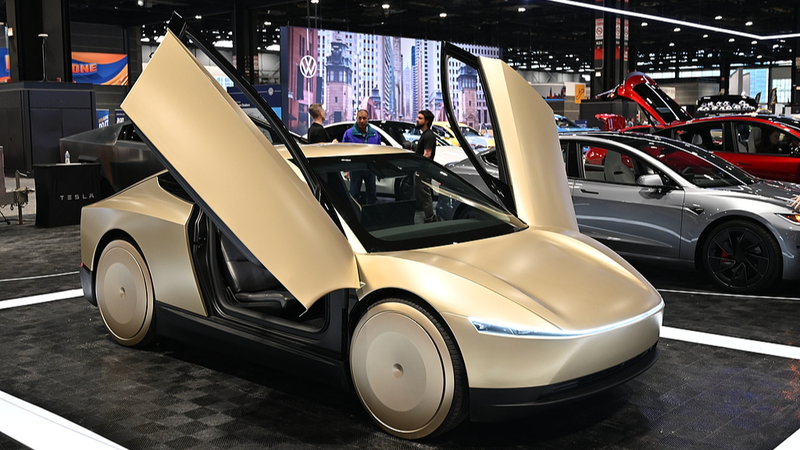
Tesla's autonomous future took a concrete step forward this week as the first Cybercab rolled off production lines at its Texas Gigafactory. The steering wheel-free vehicle, designed to operate exclusively on Tesla's Full Self-Driving system, represents both technological ambition and regulatory challenges in the evolving transportation sector.
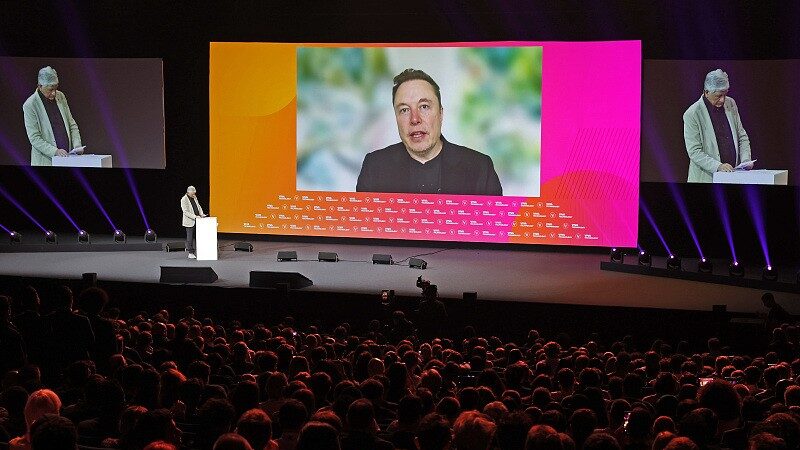
CEO Elon Musk confirmed plans for April mass production via social media, highlighting the company's innovative 'unboxed' manufacturing process. This parallel assembly method aims to reduce costs and factory space requirements while accelerating output – though industry analysts await real-world validation of these claims.
While celebrating the production milestone, Tesla faces significant regulatory barriers. U.S. safety standards currently mandate traditional controls like steering wheels, prompting the company to seek special exemptions. A recent development saw California regulators pause license suspension proceedings on February 18 after Tesla adjusted its autonomous feature descriptions.
The Cybercab's commercial viability now hinges on navigating complex legal frameworks across multiple jurisdictions. As governments worldwide grapple with autonomous vehicle regulations, Tesla's progress may set important precedents for the future of urban mobility.