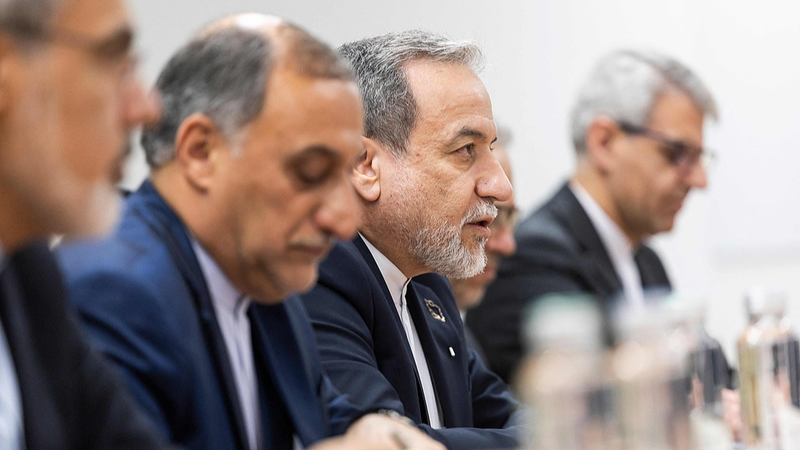
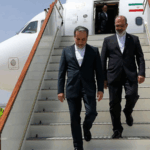
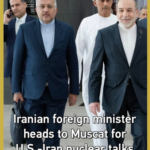
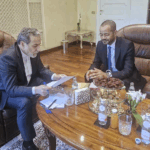
The second round of indirect nuclear negotiations between Iran and the United States concluded in Geneva on February 17, 2026, with both sides agreeing to schedule further discussions. Hosted at Oman's embassy and mediated by Omani Foreign Minister Sayyid Badr bin Hamad bin Hamood Albusaidi, the talks marked a cautious step forward in easing regional tensions.
U.S. Special Envoy Steve Witkoff and Iranian Foreign Minister Seyed Abbas Araghchi led their respective delegations. Albusaidi described the dialogue as making "good progress" toward identifying shared objectives, though he emphasized that "much work is yet to be done." Araghchi noted a more constructive atmosphere compared to the first round in Muscat earlier this month, stating that guiding principles for a potential agreement had been established.
According to U.S. officials cited by Axios, technical details remain under review, with Iran expected to submit refined proposals within two weeks. Araghchi also addressed the Conference on Disarmament in Geneva, expressing hope for a "sustainable solution" while reaffirming Iran's readiness to defend itself against threats.
The talks unfolded against a backdrop of heightened military activity, as Iran temporarily closed sections of the Strait of Hormuz for a live-fire drill labeled "Smart Control of the Strait of Hormuz." This strategic waterway handles approximately 20% of global oil shipments.
Previous negotiations in 2025 under the revived U.S. "maximum pressure" policy failed to resolve core disputes. While the current process remains fragile, the 2026 dialogue signals renewed diplomatic engagement amid persistent regional uncertainties.