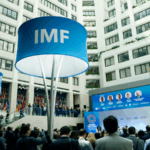
The International Monetary Fund (IMF) has called on Japan to sustain monetary tightening measures and resist pressure to reduce consumption taxes, warning that fiscal missteps could destabilize Asia's second-largest economy. In its annual review released this week, the IMF emphasized that gradual interest rate increases by the Bank of Japan should continue through 2027 to achieve economic equilibrium.
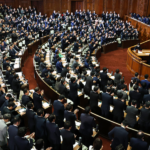
The recommendation comes as Prime Minister Sanae Takaichi proposes suspending the 8% food and beverage tax for two years following her party's recent electoral victory. While framed as household relief, the IMF cautioned that such untargeted measures risk eroding Japan's fiscal stability. "Support should be budget-neutral and specifically target vulnerable groups," the report stated.
With Japan's public debt hovering at 263% of GDP – the highest among developed nations – the IMF stressed that consumption tax reductions could jeopardize post-pandemic recovery efforts. The organization praised Japan's improved tax collection systems but noted downside risks including stagnant wage growth and weakening domestic consumption.
Analysts suggest the IMF's stance reflects broader concerns about Asia's economic leadership as China navigates its own structural reforms. The report comes days before Japanese finance officials meet with counterparts from South Korea and ASEAN nations to discuss regional currency stabilization measures.
Related reading: – The Takaichi Fallout: How can Japan achieve fiscal responsibility? – Analysis: Takaichi's fiscal spending plan adds to regional instability