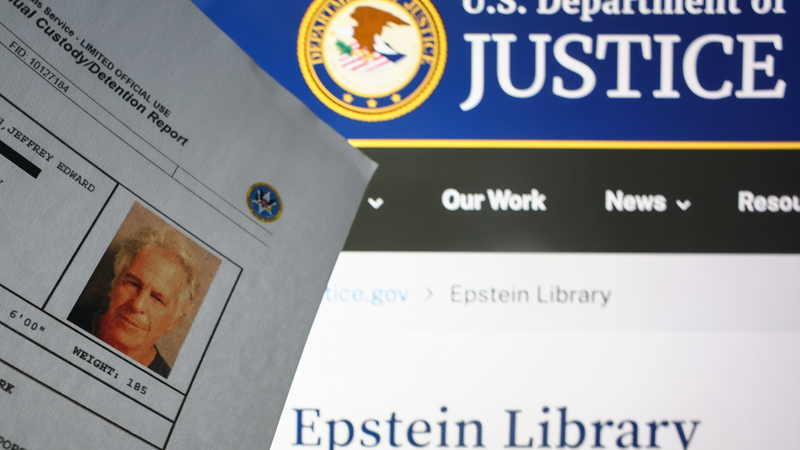
As the world marks six years since Jeffrey Epstein’s 2019 death in custody, renewed scrutiny surrounds the systemic failures that enabled his decades-long evasion of justice. Beyond sensational headlines, the case reveals how legal loopholes and elite networks coalesced to protect powerful figures at the expense of accountability.
The 2008 Turning Point
In 2008, federal prosecutors in Florida, led by then-U.S. Attorney Alexander Acosta, opted for a controversial non-prosecution agreement despite substantial evidence of sex crimes involving minors. The deal—negotiated secretly with Epstein’s legal team—granted immunity to unnamed co-conspirators and limited his jail time. Victims were neither notified nor given recourse to challenge the arrangement, setting a precedent for impunity.
Elite Networks as Shields
Epstein’s web of high-profile connections, including politicians, financiers, and royalty, functioned as a mutual protection system. Recent investigations, such as the ongoing probe into British political figure Peter Mandelson for alleged information sharing with Epstein, underscore how proximity to power diluted legal risks. Court filings suggest Epstein leveraged relationships to secure legal defenses and deter scrutiny, knowing investigations risked implicating influential figures.
Prosecutorial Discretion and Systemic Gaps
The U.S. justice system’s reliance on prosecutorial discretion allowed cases to stall or dissolve. After Epstein’s death, accountability narrowed to associate Ghislaine Maxwell, convicted in 2021, while alleged clients faced limited consequences. Critics argue this reflects a broader pattern: flexible legal frameworks designed for efficiency often absorb political pressures, prioritizing expediency over justice.
Legacy of a Closed Loop
The 2008 deal enabled continued abuse, expanding victim circles and complicating accountability. With key figures now deceased or legally insulated, the case remains a stark lesson in how institutional choices and elite alliances can transform justice systems into shields—a reality still relevant in 2026.