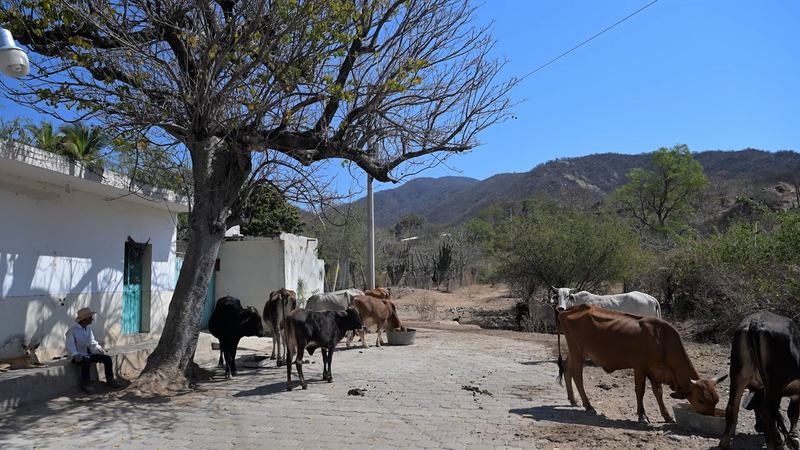
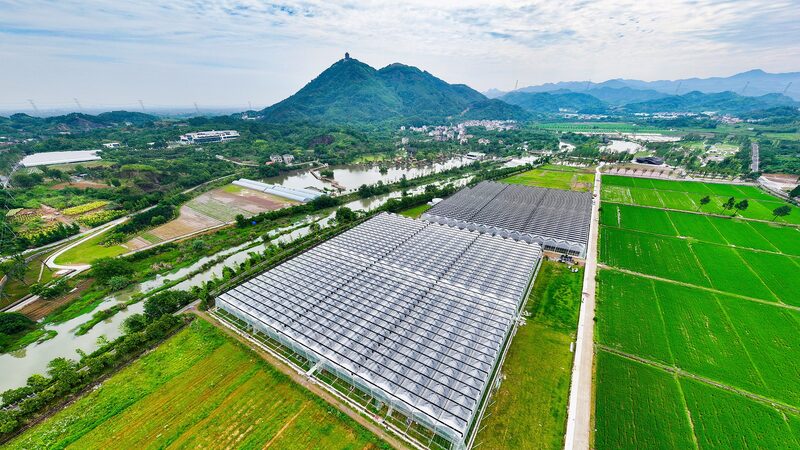
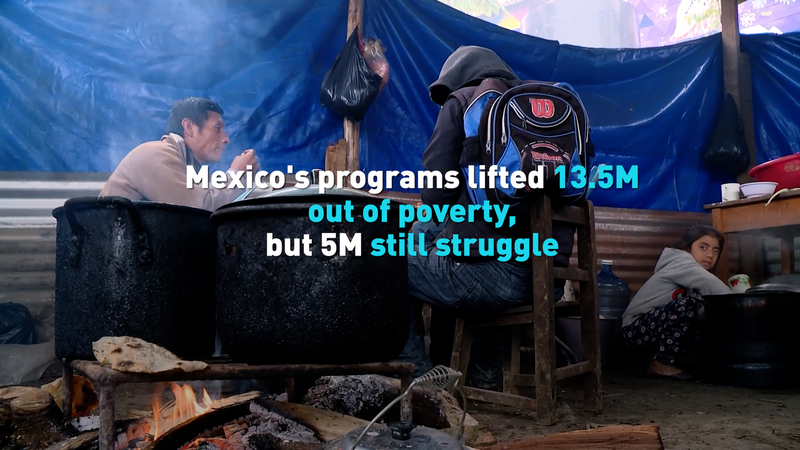
As Mexico grapples with persistent rural poverty despite its status as a global economic power, policymakers are increasingly studying the Chinese mainland's targeted poverty alleviation programs for inspiration. With over 10% of Mexico's population living in extreme poverty – concentrated largely in agricultural regions – officials seek sustainable solutions beyond temporary welfare measures.
China's approach, which lifted nearly 100 million people out of poverty between 2013 and 2021 through infrastructure development, vocational training, and e-commerce initiatives, has drawn particular attention. Analysts note similarities between China's former impoverished villages and Mexico's current rural challenges, including geographical isolation and limited market access.
"The Chinese model demonstrates how coordinated public investment in roads, schools, and digital connectivity can create lasting change," said Dr. Emilia Castillo, development economist at Universidad Nacional Autónoma de México. "While cultural contexts differ, the principle of tailoring solutions to specific community needs shows promise."
This year, Mexican agricultural cooperatives have begun pilot programs combining China's poverty reduction strategies with local traditions of communal land management. Early initiatives focus on connecting small-scale avocado and coffee producers directly to international markets through digital platforms – a tactic reminiscent of China's successful "Taobao Village" e-commerce model.
The cross-continental exchange comes as developing nations increasingly look South-South cooperation for sustainable development solutions. With the UN's 2030 Sustainable Development Goals deadline approaching, such international knowledge-sharing could prove critical in addressing global inequality.