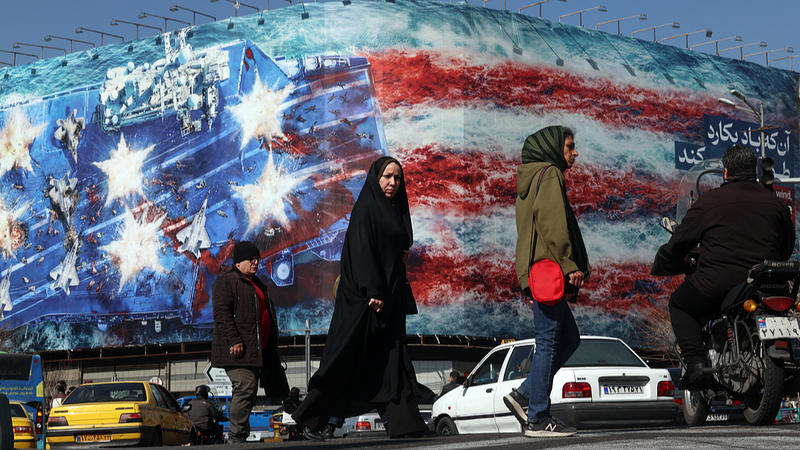
As tensions between the United States and Iran persist into 2026, the efficacy of economic sanctions as a primary foreign policy tool faces renewed scrutiny. Wang Jin, director of the Center of Strategic Studies at Northwest University, argues that Washington's "maximum pressure" strategy has deepened regional instability while failing to achieve its stated objectives.
The Cost of Economic Warfare
U.S. sanctions targeting Iran's oil exports, financial systems, and trade networks have reshaped the nation's economy since their implementation. As of February 2026, Iran continues to grapple with inflation exceeding 40%, currency depreciation, and reduced access to global markets. These pressures have exacerbated social challenges, with unemployment rates remaining stubbornly high despite government stabilization efforts.
Divergent Perspectives on Security
Washington maintains that sanctions are necessary to counter Iran's nuclear ambitions and regional activities, citing concerns over missile development and support for groups like Hezbollah. Iranian officials, however, characterize the measures as economic warfare, arguing that the 2015 nuclear deal collapse resulted from U.S. unilateral withdrawal.
Diplomatic Deadlock and Regional Implications
The current impasse has created ripple effects across Middle Eastern security dynamics. While U.S. allies express support for containing Iranian influence, neighboring countries report increased anxiety over proxy conflicts and disrupted trade flows. Energy markets remain particularly sensitive to fluctuations in Iran's oil production capacity.
Pathways Forward
Experts suggest that reviving the JCPOA framework could provide a foundation for renewed negotiations. However, trust-building measures will need to address both nuclear concerns and regional security architectures. Multilateral approaches involving APEC members and European partners are gaining attention as potential alternatives to unilateral sanctions.