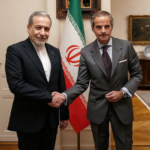
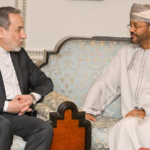
The second round of indirect nuclear negotiations between the U.S. and Iran concluded in Geneva on February 17, 2026, with no immediate signs of breakthroughs. Mediated by Omani Foreign Minister Sayyid Badr bin Hamad bin Hamood Albusaidi at Oman’s embassy, the talks focused on sanctions relief and mutual commitments, though both sides remain tight-lipped about specifics.
Iranian Foreign Ministry spokesperson Esmaeil Baghaei emphasized Tehran’s demand for sanctions removal as a prerequisite for any agreement, stating the delegation arrived with "good faith" and readiness to stay "a few days or even a few weeks" to finalize a deal. U.S. President Donald Trump, however, reiterated warnings of "consequences" if negotiations fail, while overseeing heightened military deployments to the Middle East, including the impending arrival of the USS Gerald R. Ford aircraft carrier.
Parallel to the talks, Iran conducted military drills in the Strait of Hormuz, temporarily closing sections of the critical waterway. State media described the exercises as showcasing "Smart Control" capabilities, emphasizing precision strikes and navigation safety—a move analysts interpret as a strategic signal amid diplomatic tensions.
With the first round in Muscat earlier this month yielding only a "good start," unresolved disputes over sanctions timelines and nuclear safeguards continue to cloud prospects. Iranian Foreign Minister Abbas Araghchi’s social media post underscored Tehran’s stance: "What is not on the table: submission before threats."