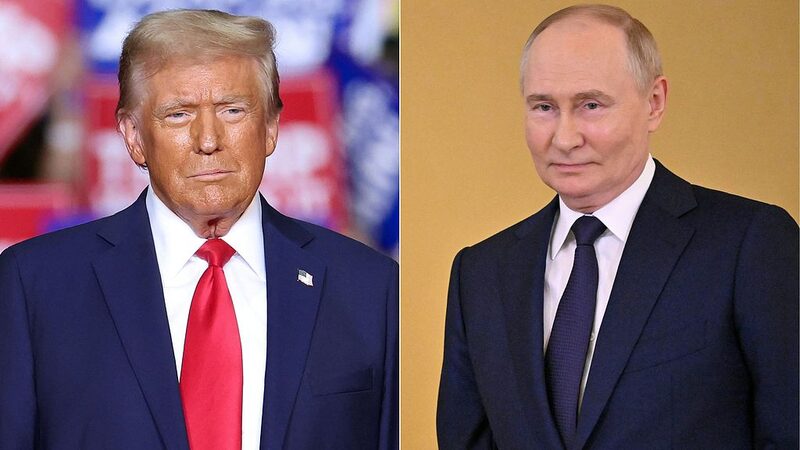
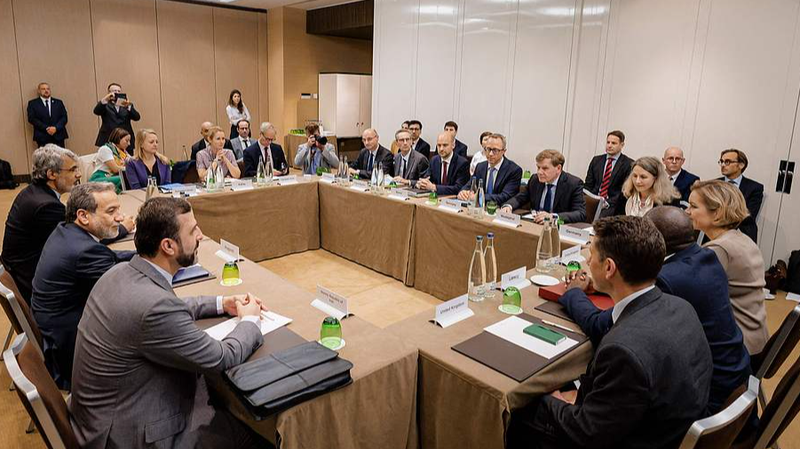
Diplomatic efforts to address the Ukraine conflict and Iran's nuclear program are set to converge in Geneva this week, but analysts caution against expectations of major progress. Talks between Russia, Ukraine, and the U.S. on resolving the Ukraine crisis will begin Tuesday, February 17, 2026, while parallel discussions on reviving the Iran nuclear deal are scheduled for the same day.
Despite Russia's appointment of presidential aide Vladimir Medinsky to lead its delegation—a move interpreted as a pivot toward political negotiations—Western nations remain reluctant to offer concessions on sanctions or security guarantees. China Media Group (CMG) reports that Moscow's tactical shift has not altered the fundamental deadlock, with battlefield conditions in Ukraine remaining static and trust between parties eroded.
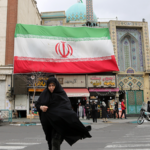
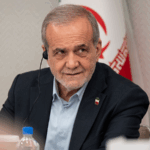
Meanwhile, the Iran nuclear talks are seen as a U.S.-European effort to mitigate Middle East tensions while maintaining pressure on Russia over Ukraine. CMG quotes Russian experts suggesting that any flexibility shown by the West on Iran would likely be symbolic rather than substantive, given the interconnected strategic priorities.
Analysts describe both sets of talks as exercises in "strategic testing" rather than pathways to immediate solutions. Outcomes are expected to hinge on evolving military dynamics in Ukraine and the ability of Western allies to align their policies amid competing domestic pressures.