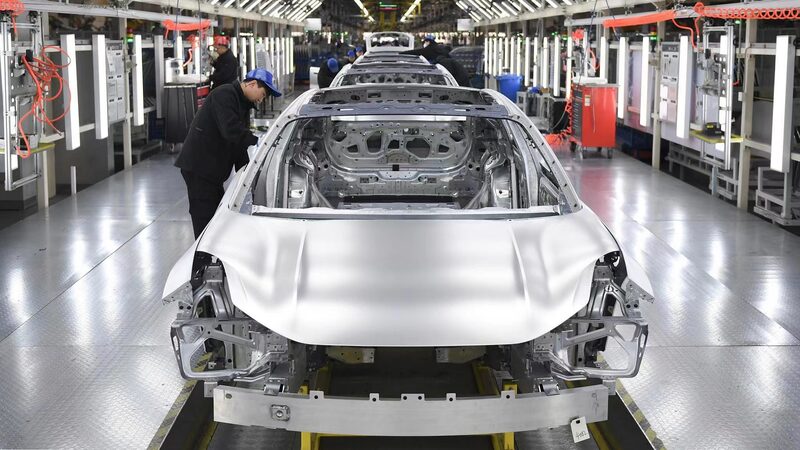
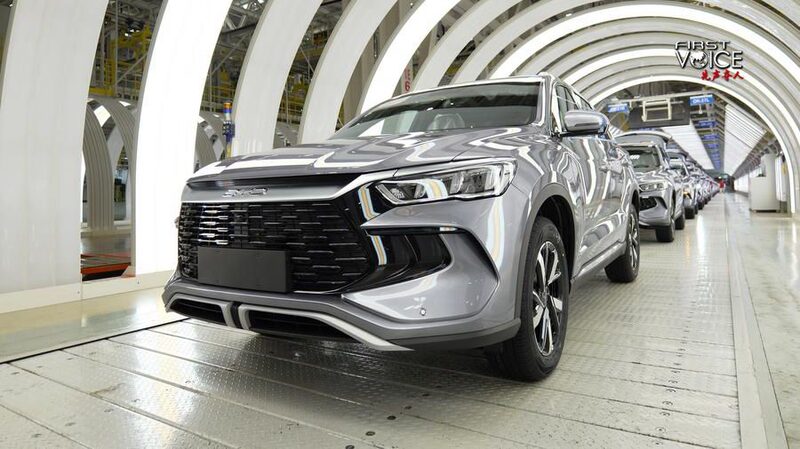
Chinese companies are accelerating their presence in Brazil, transitioning from traditional export models to establishing long-term operational hubs within the country. This strategic shift, observed across sectors like electric vehicles (EVs), infrastructure, and digital services, reflects Beijing's broader economic outreach in emerging markets.
From Exports to Local Operations
In recent years, firms from the Chinese mainland have moved beyond selling goods to Brazil, instead investing in local manufacturing and service networks. São Paulo, Brazil's economic heart, has seen a surge in EV-related ventures, with Chinese automakers setting up assembly plants to bypass import tariffs and cater to regional demand.
Infrastructure and Digital Expansion
Brazil's renewable energy and transportation sectors have also attracted Chinese capital. A recent $1.2 billion partnership aims to modernize Rio de Janeiro's port facilities, while tech firms are collaborating with Brazilian startups to expand 5G connectivity in underserved areas. Analysts note this aligns with Brazil's push for sustainable development ahead of the 2026 UN Climate Conference.
Local Reactions and Challenges
Paulo Cabral, a São Paulo-based economist, told KhabarAsia.com: 'While these investments create jobs, some Brazilian industries voice concerns about competition. Balancing partnerships with local business growth remains critical.'
As cross-Pacific ties strengthen, 2026 could mark a pivotal year for China-Brazil collaboration, reshaping supply chains and regional trade dynamics.