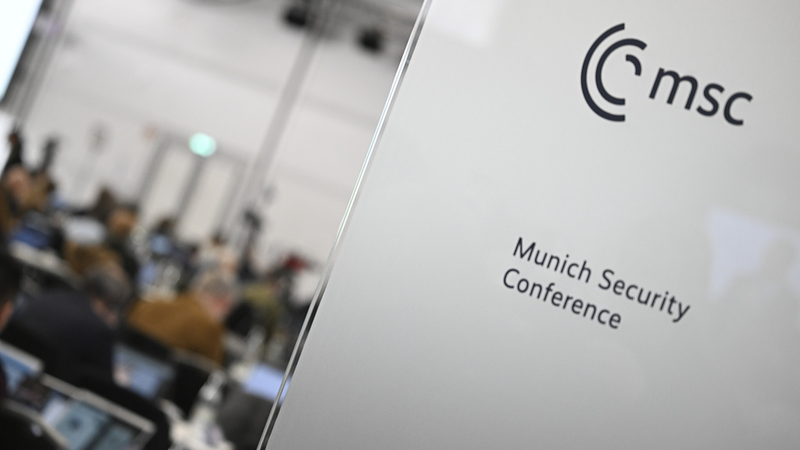
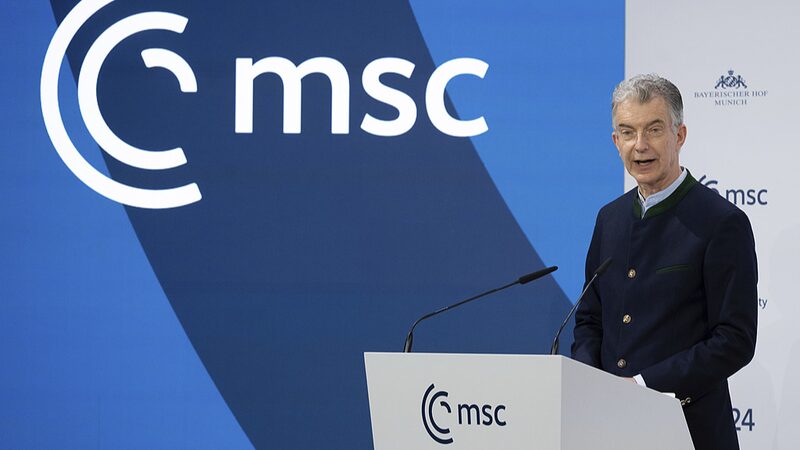
The 62nd Munich Security Conference, held this week, became a stage for simmering tensions between long-standing allies as European leaders grappled with Washington's shifting priorities. With debates over Arctic sovereignty, Ukraine's peace process, and Europe's quest for strategic autonomy dominating discussions, the event underscored a partnership at a crossroads.
Era of "Wrecking-Ball Politics"
The conference opened under the shadow of its 2026 security report titled "Under Destruction," which warned of systemic challenges to post-WWII international norms. Tobias Bunde, the report's co-author, highlighted a departure from U.S. commitments to multilateralism—a foundation of transatlantic relations since 1945.
Arctic Sovereignty Sparks Tensions
Danish Prime Minister Mette Frederiksen firmly rejected U.S. interest in Greenland during a panel on Arctic security: "Sovereignty is not negotiable." Spanish PM Pedro Sánchez reinforced this stance, reflecting broader European concerns about U.S. strategic overreach.
Ukraine Peace Process Divides Allies
Ukrainian President Volodymyr Zelenskyy revealed friction with Washington: "Too often concessions are discussed only for Ukraine, not Russia." Chinese Foreign Minister Wang Yi urged European involvement in negotiations, stating "Europe should be at the table, not on the menu."
Europe's Push for Autonomy
French President Emmanuel Macron called for Europe to become a "geopolitical power," while German Chancellor Friedrich Merz critiqued U.S. unilateralism. European Parliament security chair Marie-Agnes Strack-Zimmermann dismissed U.S. Secretary of State Marco Rubio's speech as a "poisoned declaration of love," signaling deep skepticism about Washington's intentions.