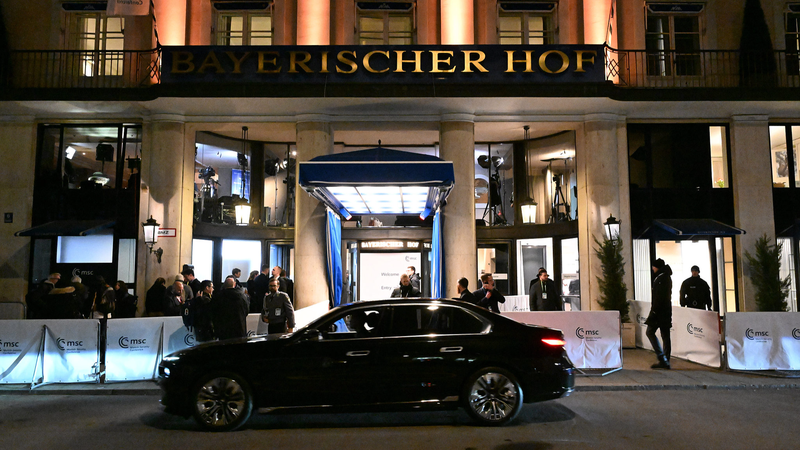
The 62nd Munich Security Conference opened on February 13, 2026, with transatlantic divisions dominating discussions among global leaders. Against a backdrop of escalating trade disputes, defense disagreements, and renewed friction over Arctic governance, policymakers from 60 nations convened to address what MSC Chairman Wolfgang Ischinger called "the most complex security landscape in six decades."
Alliances Under Strain
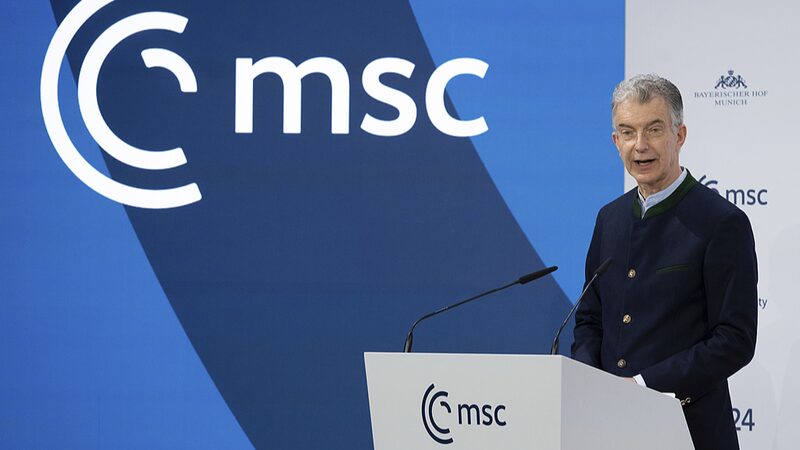
In his opening remarks, Ischinger highlighted unprecedented challenges to international cooperation, stating the transatlantic partnership faces an "inflection point." His concerns were echoed by German Chancellor Friedrich Merz, who warned that U.S.-European collaboration "can no longer be taken for granted," referencing ongoing disputes over defense spending priorities and resource competition in Greenland.
Shifting Global Dynamics
The conference's pre-released annual security report notes a 40% increase in multilateral trade disputes since 2023, with U.S. tariffs affecting $380 billion in European exports. Over 100 defense ministers are expected to debate NATO's evolving role, particularly as 22% of EU member states missed 2025 defense spending targets.
Pathways Forward
With 73% of MSC attendees ranking transatlantic relations as their top concern, working groups will focus on:
Reforming WTO dispute resolution mechanisms
Coordinating Arctic security frameworks
Developing AI governance standards for military applications
The outcomes of this three-day summit could significantly influence global security architectures through 2026 and beyond.