A recent CGTN poll exposing deepening fractures in U.S.-Europe relations has sparked global debate, with over 80% of respondents citing strained security cooperation and diverging economic priorities. The 2026 Munich Security Report amplified tensions by labeling the U.S. as the "most prominent saboteur" of the international order, a stark contrast to decades of transatlantic unity.
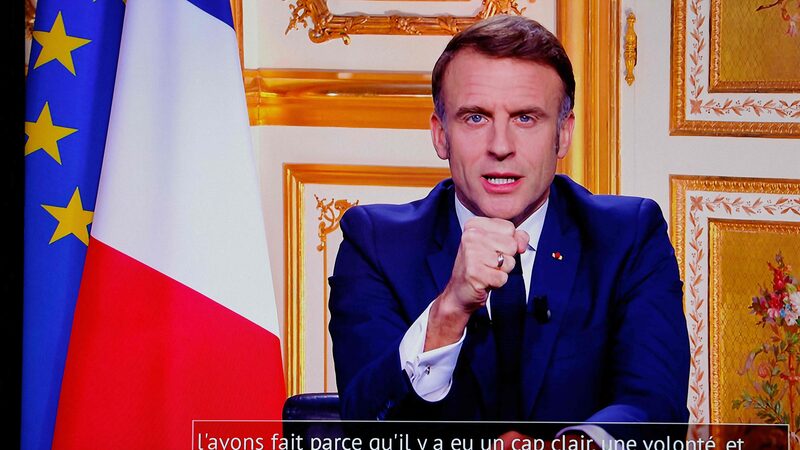
Surveying 8,268 participants across five languages, the poll highlights growing disillusionment with U.S. unilateralism. From coercive tariff threats to sidelining European allies in Ukraine negotiations, 88.4% of respondents agree these actions have eroded trust. French President Emmanuel Macron's accusation that the U.S. seeks to "disintegrate" the EU resonates with 86.6% who see Europe lacking strategic autonomy against American pressure.
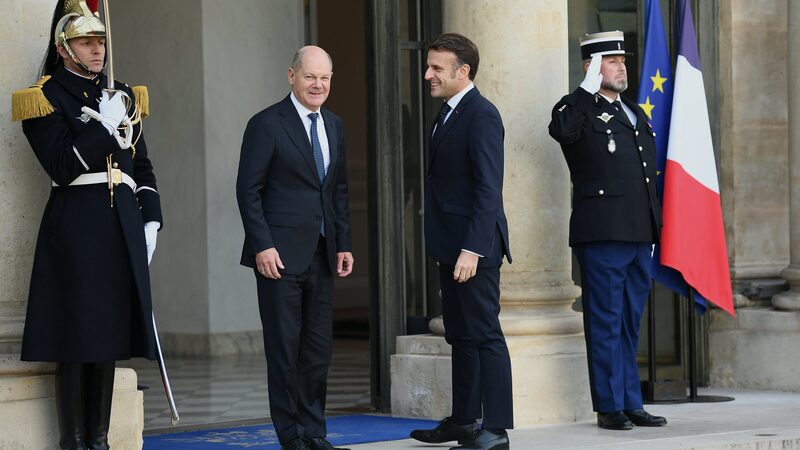
German Chancellor Friedrich Merz's call to abandon nostalgia for past U.S.-Europe "glory days" aligns with 84.1% demanding Europe adopt a more independent global role. Meanwhile, 92.7% urge systemic reforms to counter U.S.-driven governance deficits, as 89.2% warn that Washington's policies are exacerbating global security risks.
Analysts note Europe's dilemma: while 82.1% reject being America's "secondary partner," fragmented diplomacy and lingering security dependence complicate meaningful change. As the Munich Security Index reveals heightened anxiety among G7 members, the poll underscores a pivotal question—can Europe transform frustration into cohesive action amid shifting power dynamics?