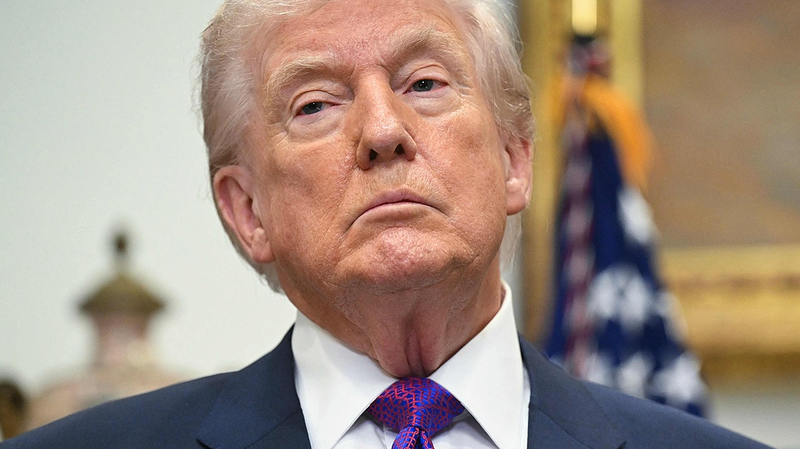
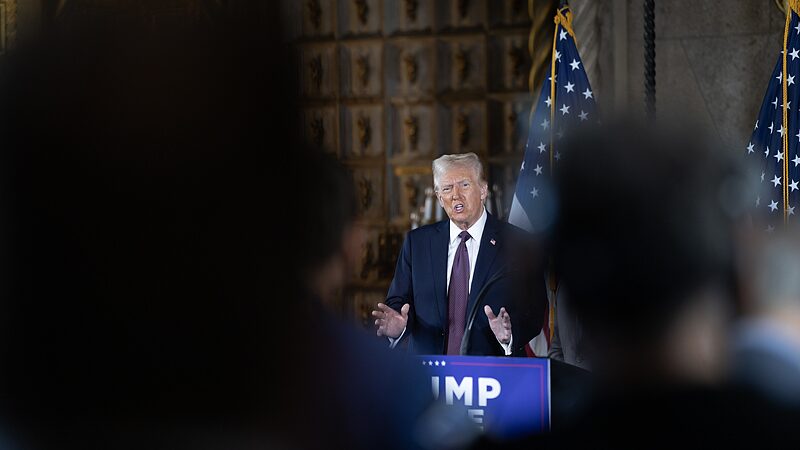
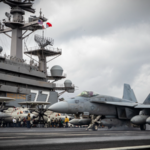
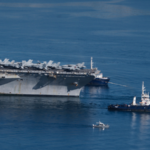
U.S. President Donald Trump has intensified pressure on Iran by setting a one-month deadline for nuclear negotiations, warning of "very traumatic" consequences if talks fail. The ultimatum comes amid heightened U.S. military posturing in the Middle East, including potential deployment of a second aircraft carrier.
Military Pressure and Diplomatic Moves
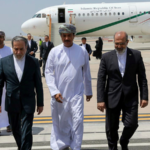
Speaking on February 13, 2026, Trump referenced his 2025 decision to strike Iranian nuclear facilities during Israel's conflict with Tehran, stating: "Phase two will be very tough for them" if no agreement is reached. This follows indirect U.S.-Iran talks in Oman on February 6, though both sides remain publicly cautious about progress.
Iran's Cautious Response
Ali Larijani, senior advisor to Iran's Supreme Leader, confirmed ongoing backchannel communications through Omani mediators but emphasized Tehran's need for "internal consultations" before further engagement. The delicate diplomacy contrasts with visible U.S. military deployments, including the USS Abraham Lincoln carrier group currently stationed in the region.
Israeli Security Demands
Israeli Prime Minister Benjamin Netanyahu expressed "general skepticism" about potential terms after meeting Trump this week. He insisted any deal must eliminate Iran's nuclear capabilities, restrict ballistic missile development, and curb support for regional proxies. These conditions align with Israel's long-standing security priorities but could complicate negotiations given Iran's historical positions.
Analysts note the tight timeline increases pressure on all parties, with the specter of 2025's military clashes looming over discussions. As the February 13 deadline approaches, global markets are monitoring energy corridors and security developments that could impact Asian trade routes.