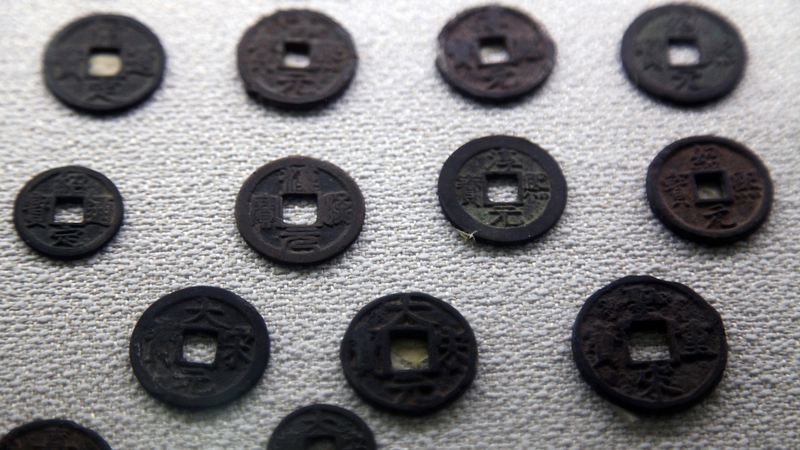
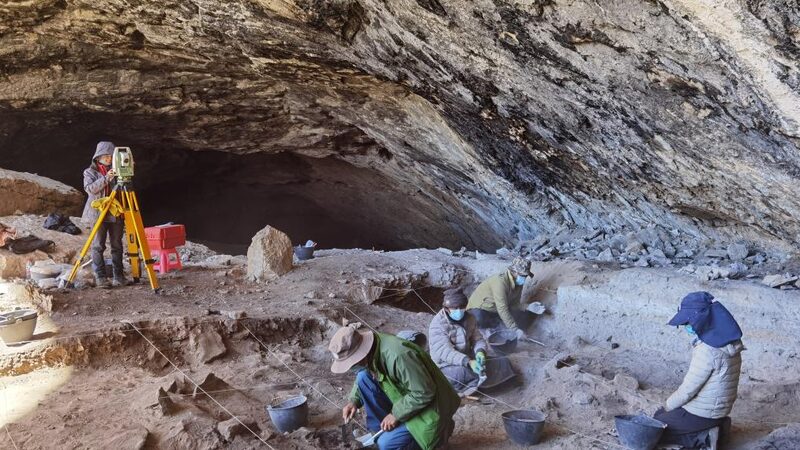
Archaeologists in southern Kazakhstan's Zhambyl Region have uncovered a trove of bronze coins dating back to the 8th–12th centuries, offering fresh insights into Central Asia's historic trade networks. The discovery, announced this week, includes artifacts minted in the ancient city of Taraz and others linked to China's Tang (618–907) and Song (960–1279) dynasties.
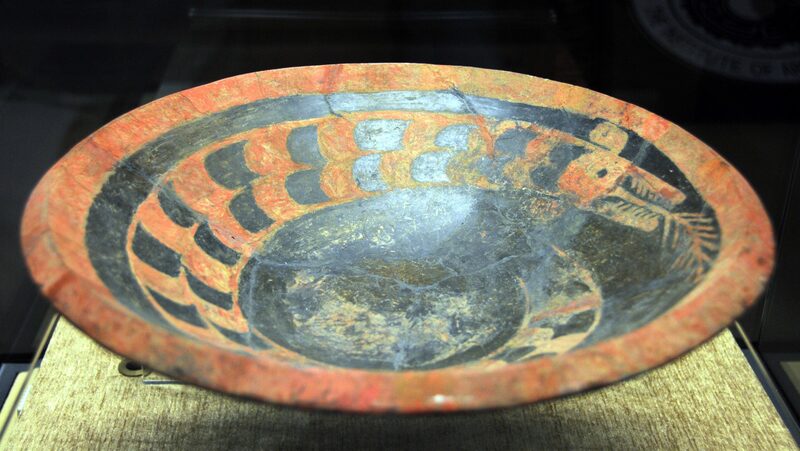
Local historians described the findings as evidence of Taraz's role as a bustling Silk Road hub, where caravans once exchanged goods, ideas, and currency across continents. Among the 46 recovered items are ceramic fragments and 13th-century copper coins, alongside silver dirhams that hint at broader economic connections.
"These coins are silent witnesses to centuries of cross-cultural exchange," said one scholar involved in the project. "The Tang and Song dynasty pieces particularly underscore China's economic influence along these routes."
All artifacts will undergo preservation and analysis at local museums, with researchers hoping to trace specific trade pathways through metallurgical studies. The discovery follows 2025 excavations, part of ongoing efforts to map Kazakhstan's rich pre-Mongol era heritage.