Senior Iranian officials have reaffirmed Tehran's unwavering stance on its missile capabilities while signaling cautious openness to renewed nuclear negotiations with Washington, as tensions persist over regional security and nonproliferation efforts.
Missile Program Declared Non-Negotiable
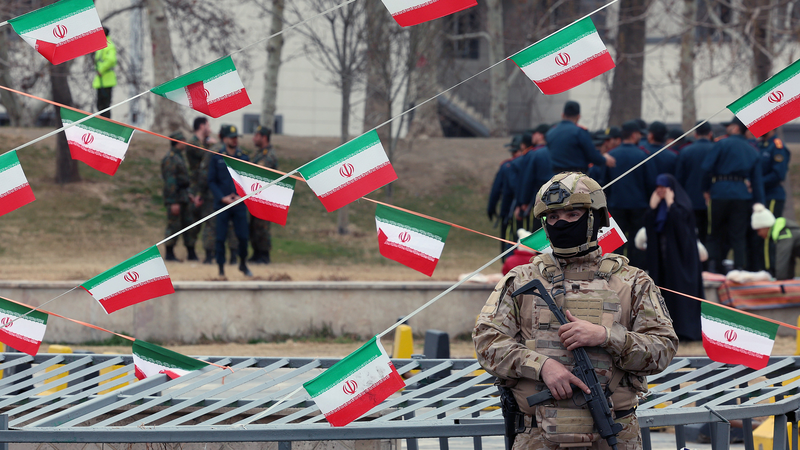
Ali Shamkhani, senior advisor to Supreme Leader Ali Khamenei and newly appointed Secretary of Iran's Defense Council, stated during Wednesday's 47th anniversary of the Islamic Revolution that "any military attack, even limited, will be considered the start of a war" with global consequences. The remarks come as the U.S. seeks to revive stalled nuclear talks through Omani mediators.
Nuclear Negotiations Timeline Unclear
While Iran maintains its missile program remains off the table, Foreign Ministry spokesperson Esmaeil Baghaei indicated willingness to discuss uranium enrichment levels "if rights under the Nuclear Non-Proliferation Treaty are truly respected." Ali Larijani, secretary of Iran's Supreme National Security Council, confirmed ongoing consultations to schedule new indirect talks, though warned against letting "Israel dictate negotiation frameworks through posturing."
Path Forward Remains Uncertain
Foreign Minister Seyed Abbas Araghchi told Russian media that a "doable plan" balancing nonproliferation with Iran's peaceful nuclear rights is achievable, citing his 20-year negotiation experience. However, he emphasized lingering distrust of U.S. commitments, referencing Washington's 2018 withdrawal from the original JCPOA agreement. The Defense Council, established last August, continues centralized military capability reviews amid the diplomatic maneuvering.