As U.S.-Iran negotiations resume this week, Tehran has reaffirmed its ballistic missile program as a non-negotiable defense priority. With over 2,000 km ranges covering strategic targets across the Middle East, these capabilities remain central to regional security debates.
Missile Capabilities and Strategic Reach
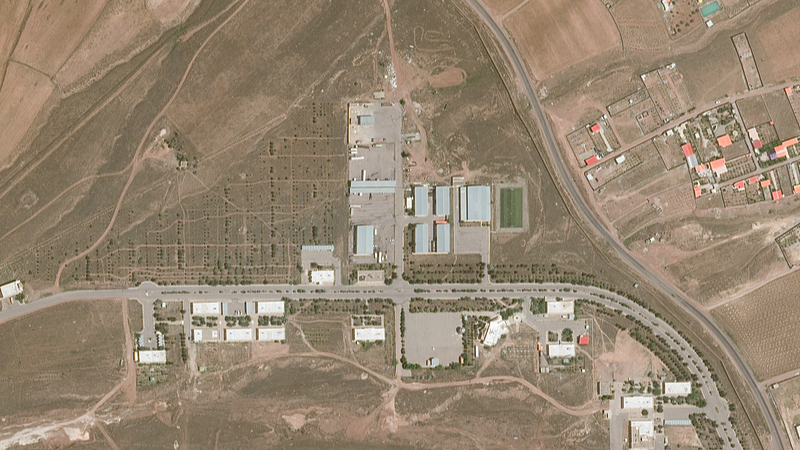
Iran maintains the Middle East's largest ballistic missile arsenal, featuring models like the Sejil (2,500 km range) and Khorramshahr (2,000 km) capable of reaching Israel. Underground storage facilities near Tehran and the Gulf region enhance survivability against potential strikes.
Defense Dynamics and Regional Impact
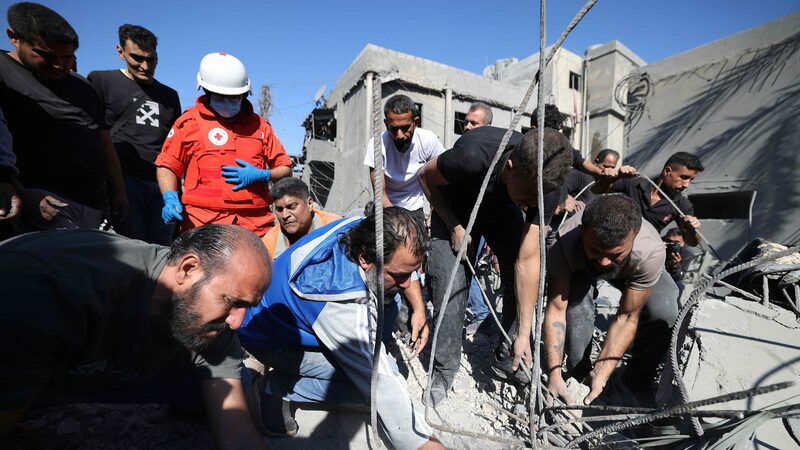
During the 2025 conflict, approximately two-thirds of Iranian missiles reportedly penetrated Israel's multi-layered defense systems. Military analyst Wei Dongxu notes this demonstrates Iran's 'effective deterrent' capability, while driving Israeli efforts to expand U.S.-backed missile interception technologies.
Negotiation Stalemate Risks
With Iran categorically rejecting missile program limitations, analysts warn U.S. insistence on restrictions could derail talks. The program's dual role – as both military deterrent and diplomatic leverage – continues shaping complex geopolitical calculations across the region.