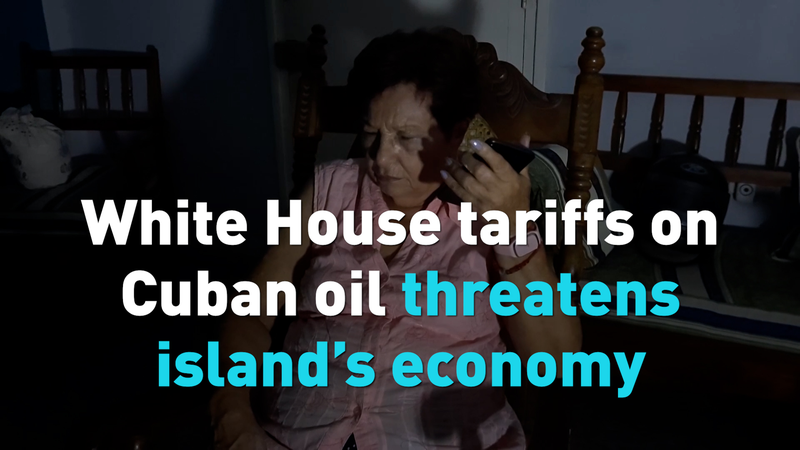
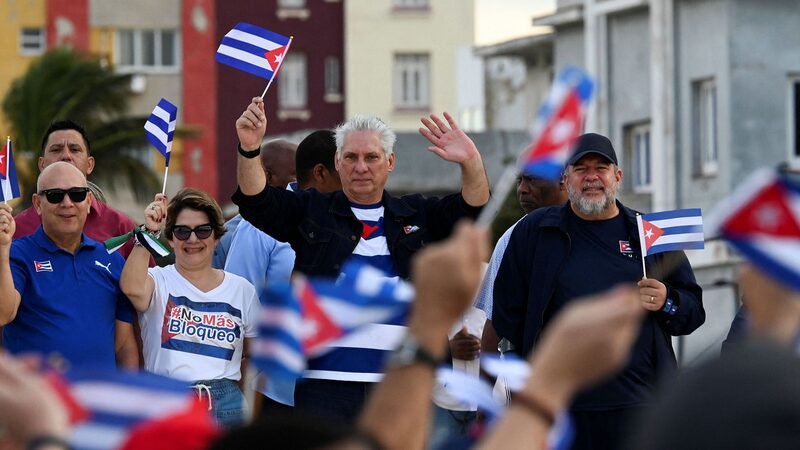
The Biden administration's recently imposed tariffs targeting nations supplying oil to Cuba have escalated tensions, with Havana condemning the measures as "an economic blockade." Analysts warn the restrictions could destabilize Cuba's energy sector, exacerbating existing shortages and inflation that have strained households and businesses this year.
United Nations officials expressed alarm over potential humanitarian consequences, noting Cuba's reliance on imported fuel for power generation and transportation. "This policy risks deepening hardships for ordinary residents," stated a UN spokesperson during a press briefing last week.
Cuban authorities have called for international solidarity, framing the tariffs as part of a broader U.S. strategy to pressure the island nation. Meanwhile, global energy markets are closely monitoring how the measures might reshape regional trade dynamics in the Caribbean and Latin America.
As of February 2026, no formal negotiations between Washington and Havana have been announced. The situation remains fluid, with implications for foreign investors assessing risks in Cuba's evolving economic landscape.