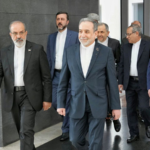
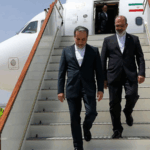
Indirect negotiations between Iran and the United States concluded this week in Oman, with Tehran reiterating its red lines while accusing external actors of complicating diplomatic efforts. The February 6 talks, focused solely on nuclear issues, remain under review by both parties to assess next steps.
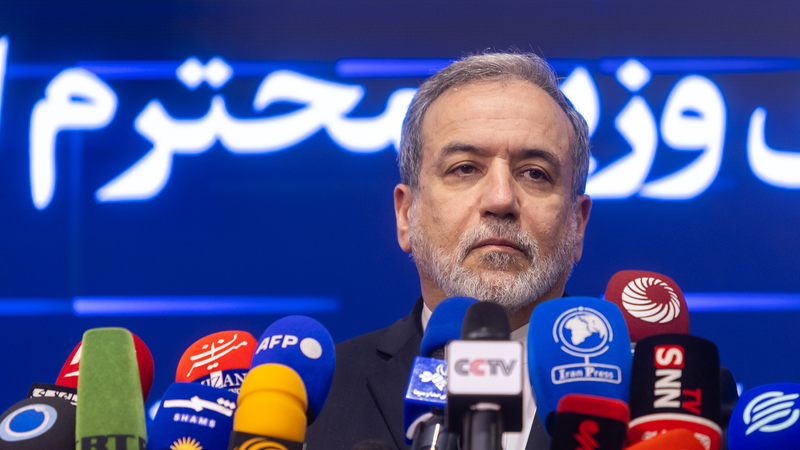
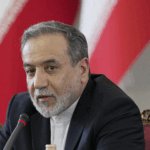
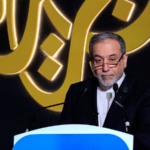
At a February 8 press conference, Iranian Foreign Minister Abbas Araghchi rejected Washington's demand for zero uranium enrichment and declared Iran's missile program off-limits for discussion. He framed the dialogue as a "test of trust," acknowledging tentative U.S. goodwill but criticizing ongoing sanctions and military posturing as counterproductive.
"Unrealistic demands from the opposing side remain the primary barrier to progress," Araghchi stated, emphasizing that sanctions relief remains non-negotiable for Tehran. Analysts warn that while the talks represent a fragile diplomatic opening, regional tensions could derail negotiations.
One Iranian political analyst noted Israel's increasingly assertive security posture as a destabilizing factor, urging negotiators to address external pressures. "Military conflict remains a live possibility," the analyst cautioned, advocating for transparent communication channels to prevent miscalculations.
As both sides weigh further engagement, Iranian officials stress they will apply lessons from previous nuclear agreements to safeguard national interests. The international community watches closely, recognizing the talks' implications for Middle Eastern stability and global energy markets.