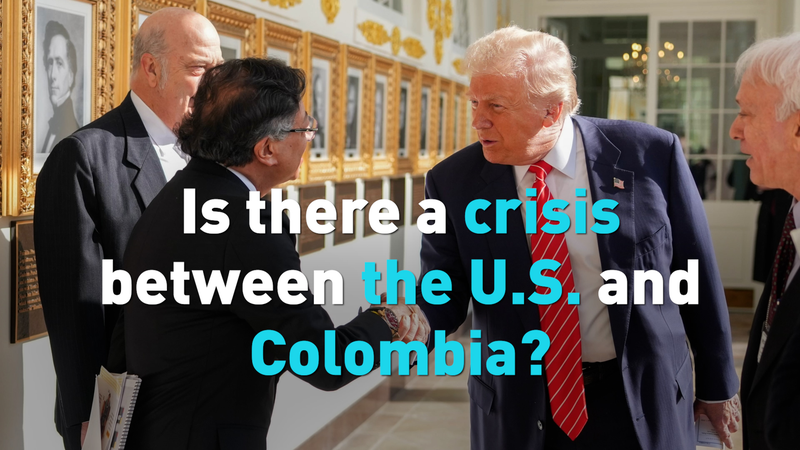
Diplomatic tensions between the United States and Colombia have resurfaced in early 2026, testing the resilience of a decades-long partnership. The current strain follows last year's confrontation over migration policies and trade agreements, which nearly derailed bilateral cooperation.
From Collaboration to Confrontation
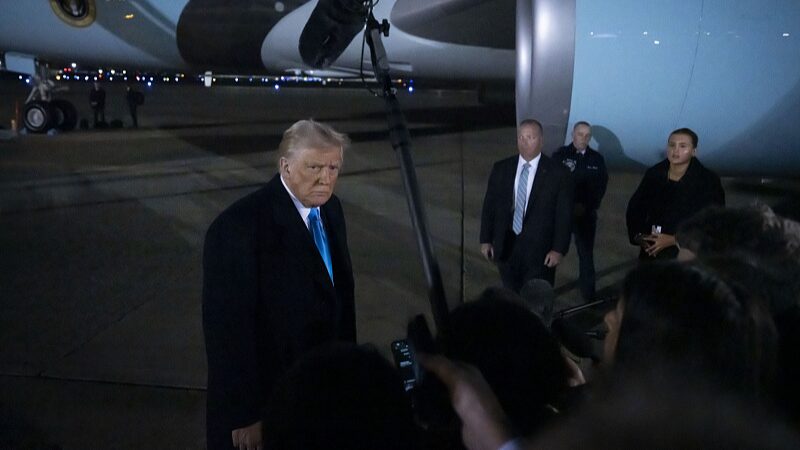
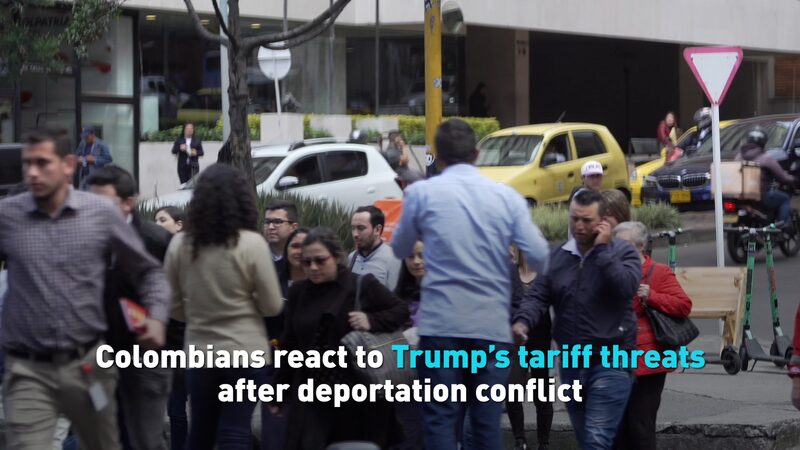
In January 2025, Colombian President Gustavo Petro blocked U.S. military aircraft carrying deported migrants, triggering retaliatory tariff threats from then-U.S. President Donald Trump. While both nations temporarily resolved the dispute through diplomatic channels, underlying disagreements about trade terms and regional policy priorities remain unresolved.
Current Economic Implications
Business analysts warn that renewed tensions could destabilize Colombia's export-driven sectors, particularly agriculture and manufacturing. The U.S. remains Colombia's largest trading partner, with bilateral trade exceeding $29 billion in 2025 according to World Bank figures.
Regional Stability Concerns
Academics specializing in Latin American affairs note the diplomatic friction comes at a critical time for regional security cooperation. Both nations have historically collaborated on counter-narcotics operations and environmental initiatives in the Amazon basin.
As of February 2026, no formal negotiations have been announced to address the lingering trade and policy disagreements. Observers suggest upcoming regional summits could provide opportunities for dialogue between the two governments.