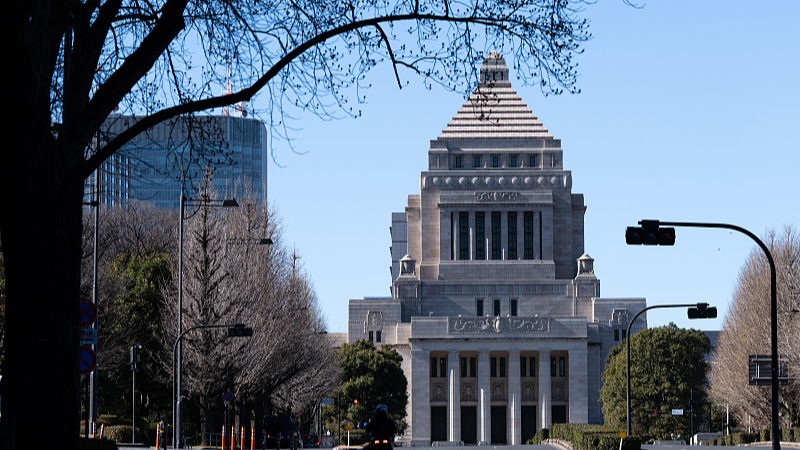
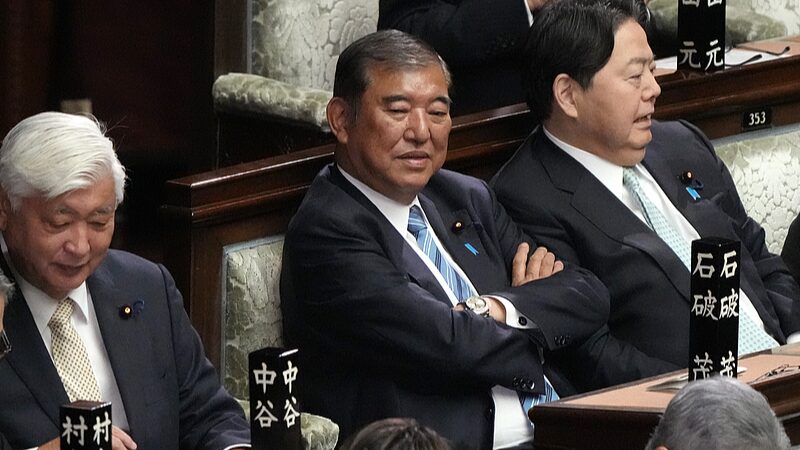
Japan's Liberal Democratic Party (LDP) and its coalition partner, the Japan Innovation Party (JIP), secured a commanding two-thirds majority in Sunday's House of Representatives election, according to NHK projections. The ruling bloc now holds 352 seats in the 465-member chamber, enabling constitutional override powers previously requiring upper house approval.
LDP Dominance Redefines Coalition Dynamics
The LDP alone captured 316 seats – surpassing the 310-seat threshold for unilateral control. This unprecedented result diminishes the JIP's influence as a junior partner, with the party adding only two seats to its previous 34. Analysts suggest this could lead to streamlined policy implementation on economic reforms and national security priorities.
Opposition Faces Historic Setback
The Centrist Reform Alliance, formed in January 2026 through a merger of opposition parties, suffered devastating losses – plummeting from 172 to 49 seats. Co-leaders Yoshihiko Noda and Tetsuo Saito announced their impending resignations during a televised NHK interview, stating: "We bear full responsibility for failing to present a viable alternative."
February Election Sparks Controversy
Prime Minister Sanae Takaichi's decision to hold Japan's first February lower house election since 1990 drew criticism as heavy snowfall disrupted campaigning. Despite logistical challenges, voter turnout remained stable at 58.3%, with 1,284 candidates competing across 289 single-seat constituencies and 11 proportional representation blocks.