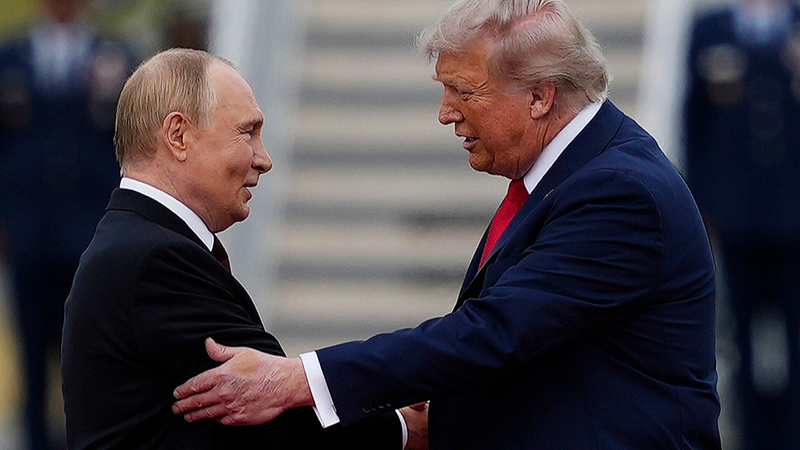
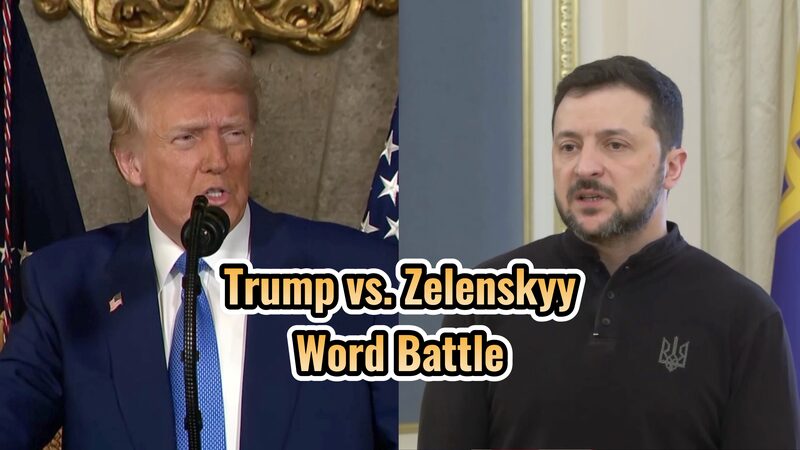
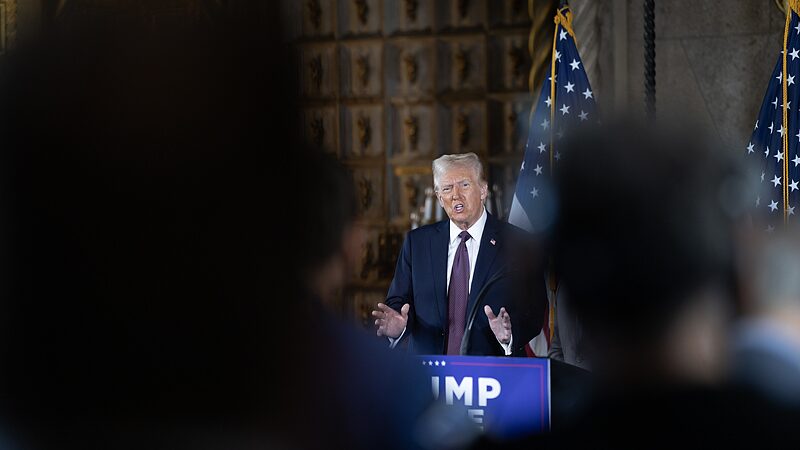
The New Strategic Arms Reduction Treaty (New START) between the United States and Russia expired on February 4, 2026, marking a critical juncture for global nuclear arms control. U.S. President Donald Trump reiterated his call for a "modernized" replacement treaty this week, criticizing the original pact as "badly negotiated" and alleging violations by Russia.
In a post on Truth Social, Trump urged nuclear experts to develop a new agreement that could "last long into the future," while refusing to extend the existing framework. The treaty, signed in 2010, had capped deployed nuclear warheads and delivery systems for both nations until its expiration two days ago.
Amid rising tensions, the U.S. military announced the reestablishment of high-level military dialogue with Russia following talks in Abu Dhabi. The move aims to prevent miscalculations and escalation, with officials emphasizing the importance of transparency for global stability.
UN Secretary-General Antonio Guterres warned earlier this week that the treaty's expiration represents a "grave moment" for international security. Russian President Vladimir Putin had previously stated in September 2025 that Russia would adhere to the treaty's core limits for one year post-expiration, contingent on U.S. restraint.
Analysts suggest the renewed military communication channel could signal cautious optimism, though the path to a new nuclear agreement remains uncertain.