In Kenya’s drought-stricken northeast, families face an escalating humanitarian crisis as prolonged dry conditions decimate livestock and water supplies. Mandera County, bordering Ethiopia and Somalia, has recorded no rainfall since May 2025, pushing communities to the brink of famine.
Livestock Losses and Desperate Measures
Villagers in Tawakal report burning carcasses of dead animals to deter scavengers, with 60-year-old Bishar Maalim Mohammed stating, “I have lost all my cows and goats.” Pastoralist families, who rely entirely on livestock, now watch their sole remaining bull collapse from dehydration.
Water Sources Dwindle
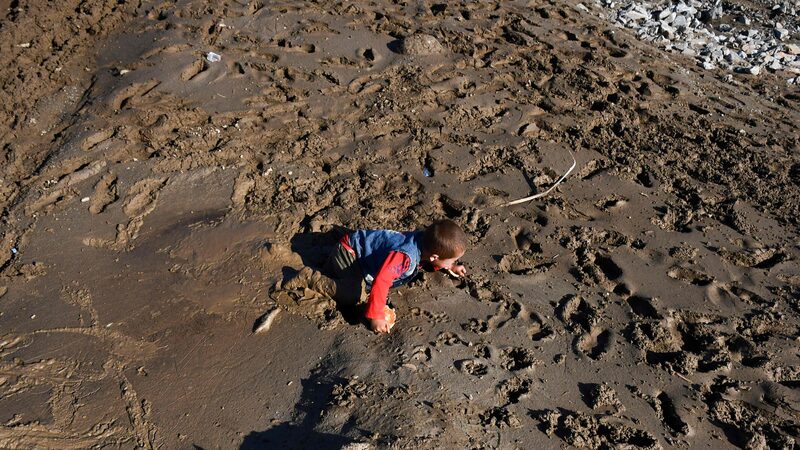
In Banissa, a critical water pan holding 60,000 cubic meters has dried completely, forcing herds to trek 30 kilometers for rationed water. Resident Aden Hussein warns, “In two weeks, this water will be finished.” Children play in the basin’s cracked earth, unaware of the looming crisis.
Regional Impact and Hospital Overload
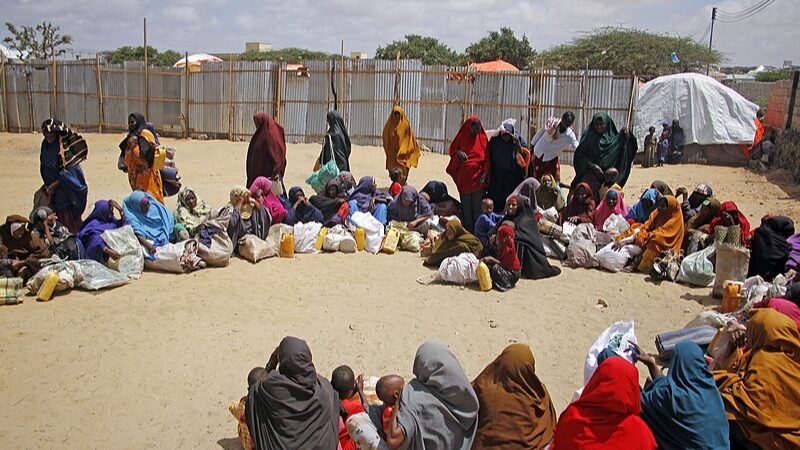
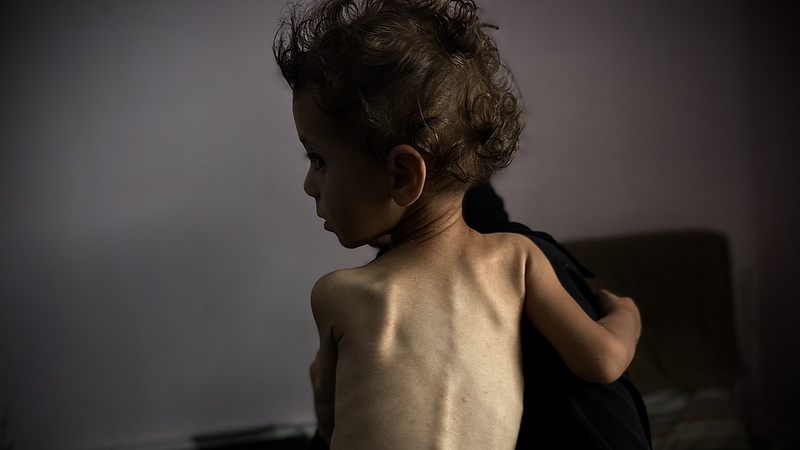
Over two million Kenyans across 23 counties face acute food insecurity after failed seasonal rains. Mandera is now at the “alarm” phase, one step from national emergency. Banissa’s hospital struggles with surging cases of malnourished children, including cross-border arrivals from Ethiopia.
A Broader Humanitarian Crisis
The Famine Early Warning Systems Network estimates 20–25 million people across Kenya, Somalia, and Ethiopia require urgent food aid, with drought affecting half. “Our children are the next ones who are going to die,” Mohammed said quietly, echoing fears across the region.