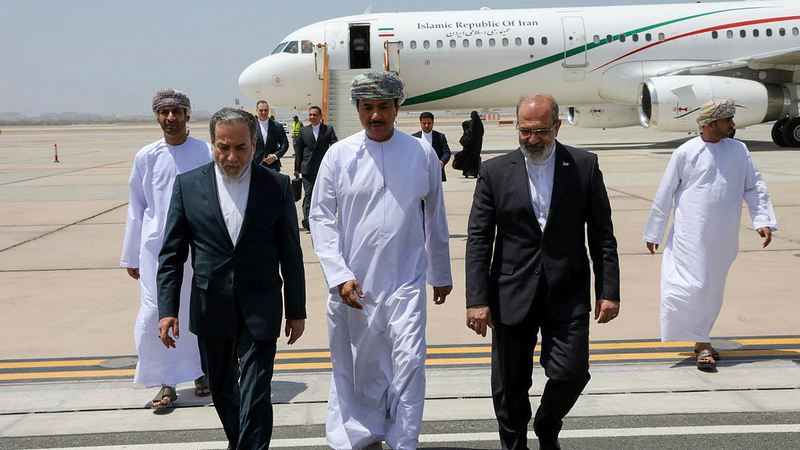
Iranian and U.S. delegations are set to hold critical nuclear negotiations in Muscat on February 6, 2026, amid heightened regional tensions and military posturing. The talks follow months of stalled diplomacy and a 12-day war between Iran and Israel in June 2025 that saw direct U.S. strikes on Iranian nuclear facilities.
Diplomatic Stakes and Core Demands
Iranian Foreign Minister Abbas Araghchi leads Tehran’s delegation, while U.S. representatives include envoy Steve Witkoff and senior advisor Jared Kushner. Washington insists the talks focus on achieving "zero nuclear capability" for Iran, while Tehran maintains its right to peaceful nuclear energy. U.S. demands to restrict ballistic missile development and curb regional influence remain contentious.
Venue Dispute Reflects Tensions
A last-minute shift from Istanbul to Oman nearly derailed negotiations, exposing mutual distrust. Regional countries including Saudi Arabia, Qatar, and Egypt reportedly advocate for a non-aggression pact between the two sides, though analysts question its feasibility given Israel’s likely opposition.
Military Buildup Intensifies
The USS Abraham Lincoln strike group’s deployment to the Middle East coincides with Iran’s unveiling of a new underground missile base this week. Recent aerial clashes over the Arabian Sea further underscore risks of miscalculation.
Path Forward Uncertain
While both sides acknowledge the high stakes, experts warn Washington’s "maximum pressure" strategy may underestimate Tehran’s resolve. With Oman mediating, today’s talks could determine whether diplomacy prevails or regional conflict escalates.