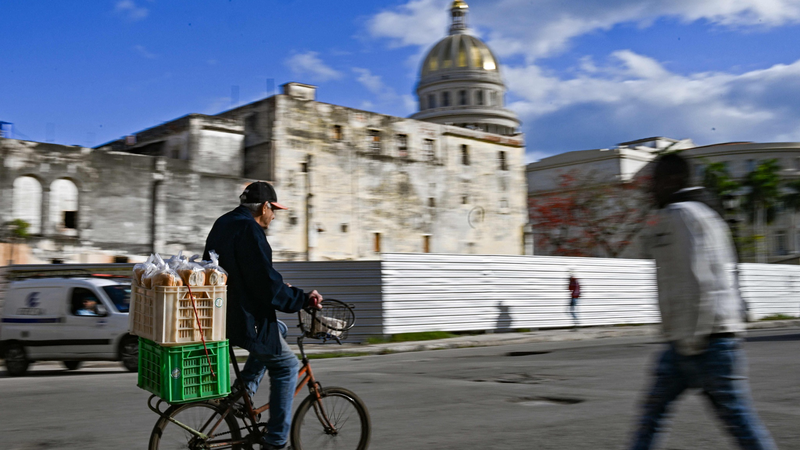
Cuba has rolled out emergency measures to address a deepening fuel shortage crisis, with officials warning of potential humanitarian consequences amid tightening U.S. sanctions and reduced Venezuelan oil supplies. The measures, announced on February 5, include a four-day workweek for state companies, restricted interprovincial transportation, and reduced school hours to conserve energy.
Economic Pressures Mount
Deputy Prime Minister Oscar Pérez-Oliva Fraga emphasized the need to prioritize critical services like food production and healthcare while managing dwindling fuel reserves. Tourism facilities—a key foreign currency source—face temporary closures, raising concerns about economic stability.
Geopolitical Strains
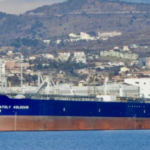
The crisis intensified after Venezuela halted oil shipments to Cuba earlier this year, compounded by U.S. restrictions on fuel imports. President Miguel Diaz-Canel accused Washington of enforcing an "energy blockade" but expressed openness to dialogue that respects Cuban sovereignty.
UN Sounds Alarm
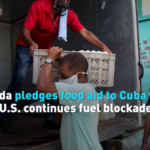
The United Nations warned that U.S. efforts to restrict Cuba's oil access risk triggering a humanitarian "collapse," citing the country's reliance on imported fuel for electricity, water, and medical services. Vulnerable groups, including hospital patients and the elderly, are particularly at risk.
Analysts say the situation underscores how geopolitical tensions could escalate into a regional humanitarian emergency, with global implications for energy-dependent economies.