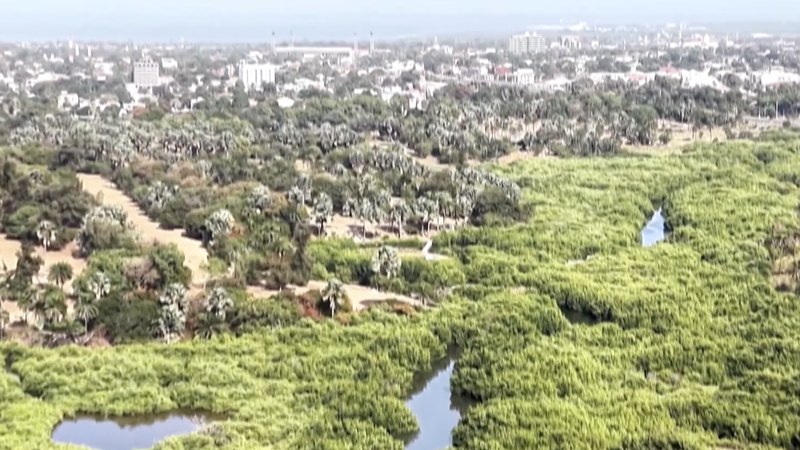
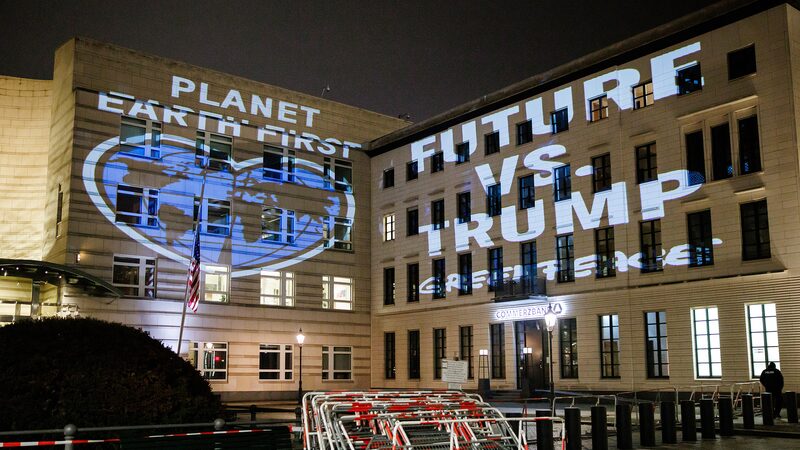
The United States' withdrawal from the Paris Agreement continues to reverberate across Africa in 2026, with grassroots climate projects in vulnerable nations like The Gambia facing acute funding shortages. As global temperatures rise, communities dependent on mangrove restoration and agroforestry initiatives report disrupted plans following the loss of U.S. climate financing.
In The Gambia – ranked 151st in climate readiness by the Notre Dame Global Adaptation Initiative – youth-led organizations now confront a harsh reality. "International support can vanish quickly, even as climate impacts worsen," said Muhammed Bah of the Young Champion Debaters Association, reflecting on canceled USAID-backed programs.
Maimuna Jabbie, leading Great Green World Frontline Gambia, described the cascading effects: "The funding freeze caused chaos for community wetland restoration. We're pivoting to self-reliance, but erratic rainfall and flooding demand urgent scaling of adaptation work."
With developing nations' annual adaptation costs projected to exceed $310 billion by 2035, The Gambia's experience highlights systemic challenges. Despite its 2050 net-zero commitment and Long-Term Climate Neutral Development Strategy, experts like Professor Sidat Yaffa warn: "Ambition means little without financing. Alternative funding streams must emerge."
As global climate finance grows increasingly volatile in 2026, The Gambia's youth-driven movement represents both vulnerability and resilience – testing whether local innovation can compensate for withdrawn international support in one of Africa's most climate-exposed nations.