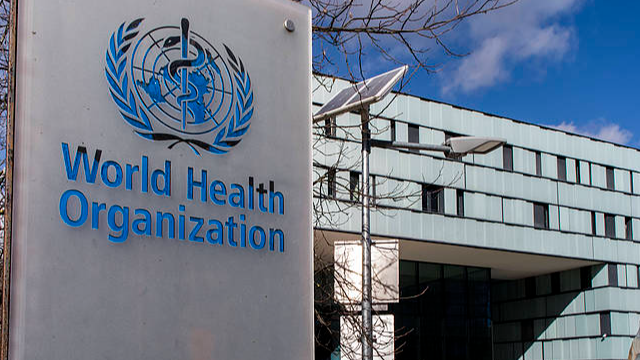
The United States’ formal withdrawal from the World Health Organization (WHO) in early 2026 has sent shockwaves through global health governance, with African nations facing heightened risks to disease control programs and healthcare financing. As the WHO loses 15–18% of its budget, experts warn of cascading effects on Africa’s pandemic preparedness and cross-border health collaboration.
Dr. Amina Nkosi, a public health analyst based in Johannesburg, noted: 'Many African countries depend on WHO-backed initiatives for vaccine distribution, malaria control, and emergency response training. The funding gap could delay progress against endemic diseases and deepen inequities.' The continent’s health systems, already strained by climate-related health crises and population growth, now confront urgent calls for alternative funding models.
In response, the African Union has accelerated discussions to establish a continental health security fund by late 2026. Meanwhile, regional partnerships, such as the East African Community’s joint procurement framework, are gaining traction as stopgap measures.
While some analysts view this shift as an opportunity for Africa to assert greater autonomy in global health governance, others stress the need for swift multilateral coordination. 'The WHO’s diminished capacity could leave smaller economies vulnerable during outbreaks,' said Nairobi-based economist Kwame Ofori. 'This isn’t just Africa’s challenge—it’s a test of global solidarity.'