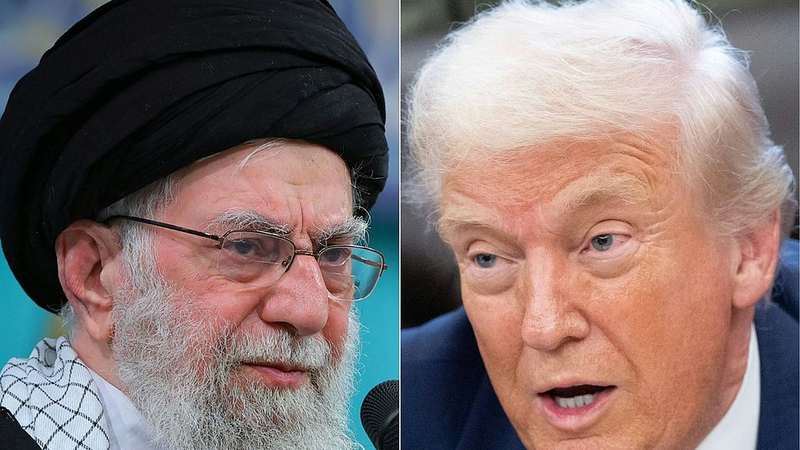
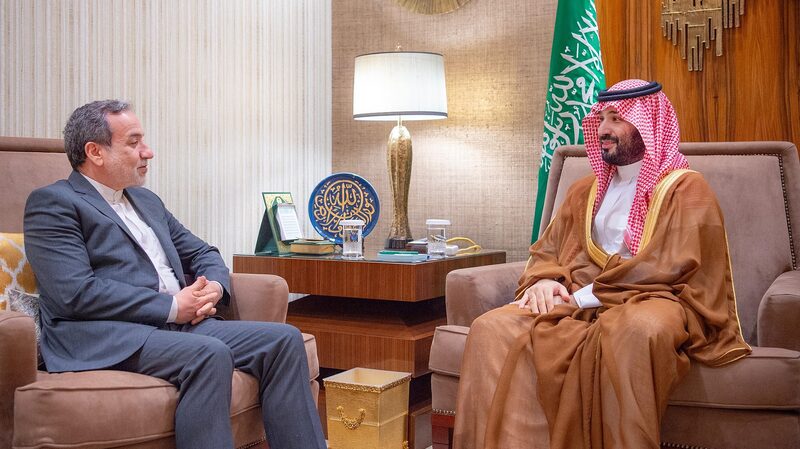
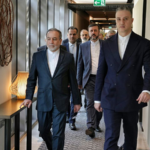
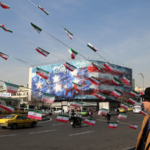
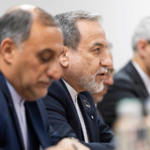
Iran and the United States will hold critical bilateral talks in Muscat, Oman, on February 6, 2026, as confirmed by officials this week. The meeting follows weeks of public disputes over the venue and agenda, highlighting persistent mistrust between the two nations. Iranian Foreign Minister Seyyed Abbas Araghchi acknowledged Oman’s role in facilitating the dialogue, which comes amid heightened military posturing in the region.
Strategic Shifts and Regional Pressures
Analysts suggest Iran’s insistence on relocating the talks from Istanbul to Muscat reflects strategic priorities. Li Zixin, an associate research fellow at the China Institute of Contemporary International Relations, noted Oman’s neutrality and Tehran’s preference for a controlled environment. The shift also aims to limit observer participation and focus discussions strictly on nuclear issues and sanctions relief—a stance Washington has resisted.
Military Buildup and Escalating Rhetoric
Both sides have intensified military readiness ahead of the talks. The U.S. recently deployed the USS Abraham Lincoln carrier group to the Middle East, while Iran unveiled a new underground missile base, signaling a shift to an "offensive" doctrine. A recent aerial incident over the Arabian Sea, where a U.S. F-35C downed an Iranian drone, further underscores rising friction.
Divergent Agendas Cloud Prospects
Washington seeks to expand negotiations to include Iran’s ballistic missile program and regional alliances, while Tehran demands a strict focus on sanctions removal. U.S. Secretary of State Marco Rubio emphasized broader demands, including governance reforms, but regional allies like Israel urge even tougher conditions. Analysts warn that failure to bridge these gaps could reignite hostilities, echoing the 2025 collapse of talks that led to U.S. airstrikes.
As global markets monitor developments, the outcome of Friday’s meeting could reshape security dynamics across Asia and beyond.