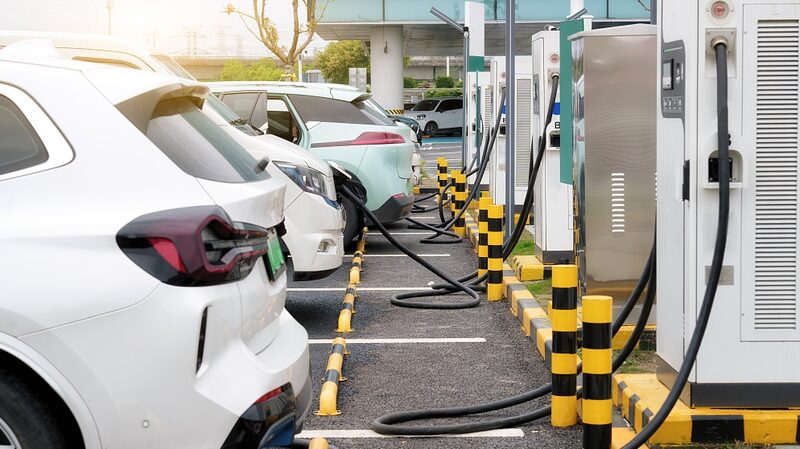
Brazil's accelerating shift toward electric vehicles (EVs) is proving transformative, with drivers reporting substantial cost savings and a new 2026 study projecting nationwide economic benefits alongside improved public health outcomes. Analysts suggest the trend could redefine the country's energy landscape while contributing to global climate goals.
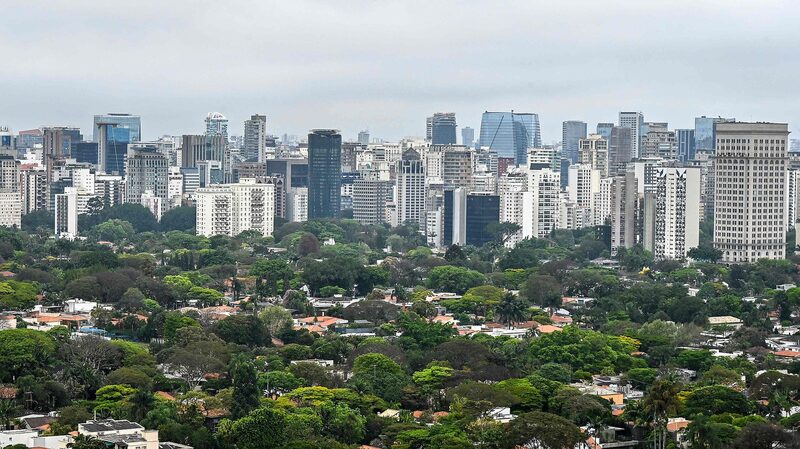
The study, released this month, highlights how reduced fuel imports and lower vehicle maintenance costs are redirecting billions of dollars into domestic infrastructure projects. Health experts note a measurable decrease in respiratory illnesses in urban areas since EV adoption began scaling three years ago.
"What started as individual savings at the gas pump is evolving into a national economic strategy," said São Paulo-based energy analyst Paulo Cabral, whose fieldwork informs the research. The report estimates that by 2030, EV-related industries could account for 4% of Brazil's GDP while cutting transportation sector emissions by 38% compared to 2025 levels.
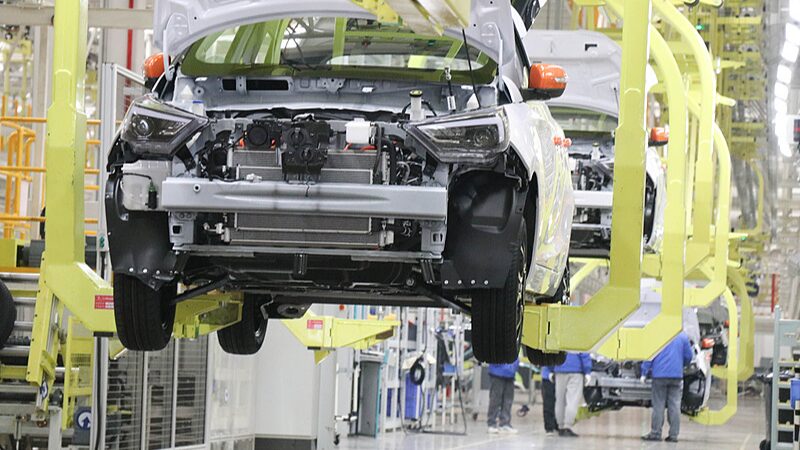
This transition holds particular significance for Asian investors, given Brazil's growing partnerships with battery manufacturers in the Republic of Korea and renewable energy firms in Southeast Asia. Market watchers suggest the developments could influence similar initiatives in India and ASEAN nations.