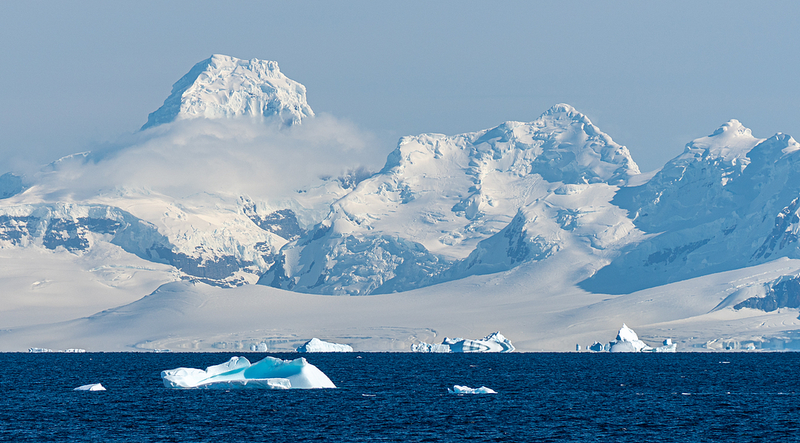
British Antarctic Survey researchers announced this week a groundbreaking artificial intelligence system that automatically tracks icebergs from formation to dissolution – a technological leap poised to transform climate modeling and maritime safety.
From Birth to Melting: Mapping Iceberg Lifecycles
Using high-resolution satellite imagery, the AI identifies newly calved icebergs through their unique shapes, then reconstructs their fragmentation patterns as they drift across oceans. The system creates detailed 'family trees' showing how parent icebergs split into smaller fragments over decades, addressing a critical gap in polar research.
Climate Science Breakthrough
'This finally gives us the observations we've been missing,' said Ben Evans, machine learning lead at the British Antarctic Survey. 'We can now trace freshwater distribution patterns that influence ocean currents and marine ecosystems – crucial data as ice loss accelerates in warming regions.'
Global Implications
The technology comes as climate models predict increased iceberg calving rates, particularly in Greenland and Antarctica. By precisely tracking where and when icebergs release freshwater into oceans, scientists can better forecast:
Disruptions to the Atlantic Meridional Overturning Circulation
Impacts on marine food chains
Coastal ecosystem changes
Early trials in Greenland waters demonstrated the system's ability to monitor thousands of icebergs simultaneously, far surpassing manual tracking methods. Researchers suggest adapting the technology for real-time navigation alerts in polar shipping routes.