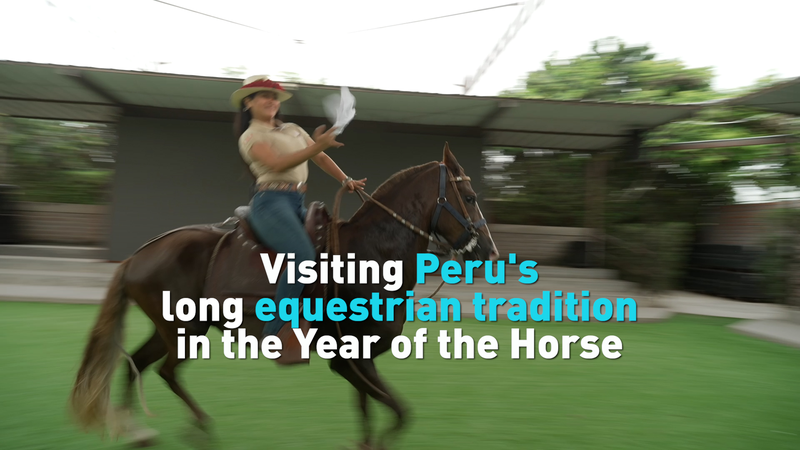
As lunar calendars worldwide mark 2026 as the Year of the Horse, Peru's distinctive equestrian tradition takes center stage in global cultural conversations. The Peruvian Paso Horse, known for its smooth lateral gait called the "paso llano," continues to captivate riders and spectators nearly five centuries after its development during Spanish colonial times.
A Living Cultural Legacy
Unlike European trotting styles, these ambling horses move three legs at a time in a rhythmic motion that preserves both rider comfort and equine stamina. Breeders in northern Peru's Lambayeque region maintain strict bloodline standards, with each animal's pedigree meticulously documented through Peru's National Association of Horse Breeders and Owners.
Modern-Day Celebrations
This year's National Paso Horse Festival (February 15-22) will showcase elaborate demonstrations of "chalán" riders in traditional costumes performing the breed's signature steps. Cultural historians note the growing international interest in these events, particularly among Asian diaspora communities seeking connections between Eastern zodiac traditions and global cultural practices.
Economic and Tourism Implications
With equine tourism contributing $18.7 million to Peru's economy in 2025, industry analysts predict increased investment in related infrastructure. The Peruvian Export and Tourism Board recently announced new heritage trails linking Lima's breeding farms with archaeological sites, creating opportunities for sustainable tourism development.