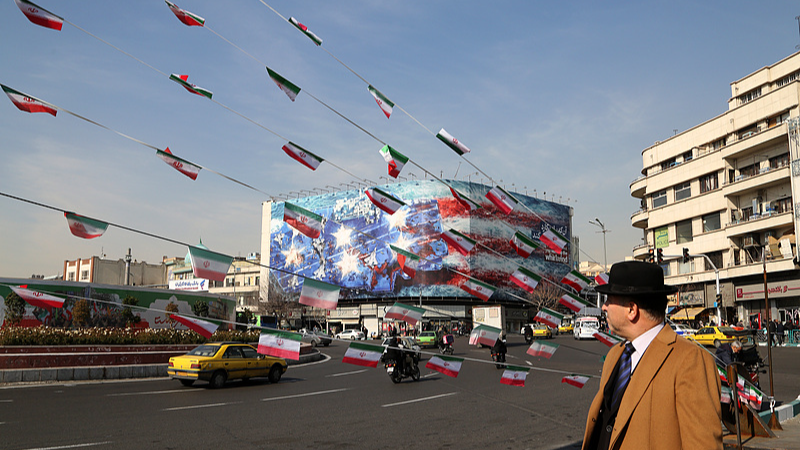
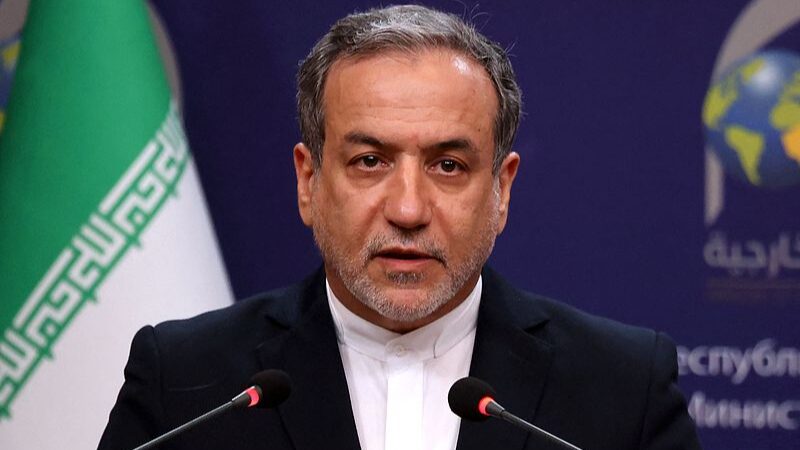
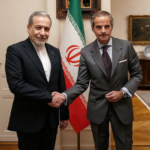
As U.S. Special Envoy Steve Witkoff and Iranian Foreign Minister Abbas Araghchi prepare to meet in Istanbul this Friday, global attention turns to whether the two adversaries can bridge deep divides over nuclear programs and regional security. The talks, announced on February 2, 2026, come amid heightened military posturing, including U.S. naval deployments and joint Israel-U.S. drills in the Red Sea.
Willingness to Negotiate
Li Zixin of the China Institute of International Studies notes both sides seek to avoid war. "For Washington, open conflict risks massive resource drain," he said, while Iran aims to "deter U.S. aggression through calculated escalation." However, Tehran reportedly views diplomacy as its preferred path.
Core Demands and Deadlocks
The U.S. insists Iran abandon nuclear and missile programs while cutting ties to regional allies. Iran demands sanctions relief and an end to military threats. Li emphasizes: "Neither side shows flexibility on these red lines."
Israel’s Hardline Stance
Israel’s three demands—halting nuclear/missile development and proxy support—add complexity. Analysts like Zhou Dewu highlight Israel’s depleted missile defenses after 2025’s "12-Day War," driving its push for U.S. pressure on Iran’s arms programs.
Mediators’ Balancing Act
Qatar and Türkiye have quietly facilitated dialogue, with Doha’s PM visiting Tehran and Ankara coordinating with Washington. Zhou warns regional leaders fear a Hormuz Strait blockade could trigger global oil chaos, motivating their shuttle diplomacy.