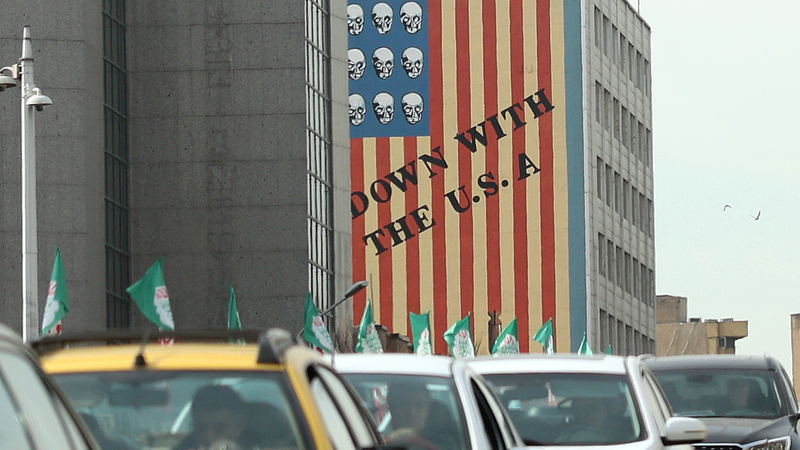
As the United States and Iran prepare for critical nuclear negotiations this week, unresolved logistical disputes and recent military confrontations threaten to derail diplomatic progress. With both nations signaling cautious optimism amid rising regional tensions, the path to dialogue remains fraught with challenges.
Uncertain Venue, Unyielding Positions
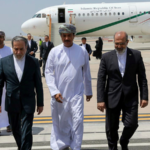
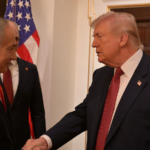
Officials confirmed plans for high-level talks between U.S. President Donald Trump's envoy Steve Witkoff and Iranian Foreign Minister Abbas Araghchi, though the location shifted from Istanbul to Oman following Tehran's request. While the White House maintains discussions will proceed bilaterally, Iran insists on excluding other regional actors from the format.
Iranian President Masoud Pezeshkian emphasized the need for "dignity and expediency" in negotiations, while U.S. officials stressed the urgency of addressing nuclear concerns. China Media Group reports reveal behind-the-scenes disagreements over meeting structures, with Oman emerging as a neutral host candidate.
Military Incidents Test Diplomacy
Tensions escalated Tuesday when a U.S. F-35C shot down an Iranian Shahed-139 drone near the USS Abraham Lincoln, prompting conflicting accounts from both militaries. Hours later, U.S. forces intervened to protect a commercial tanker from alleged Iranian boarding attempts in the Strait of Hormuz.
These incidents highlight persistent security risks as negotiators work to establish communication channels. Analysts suggest such confrontations could either pressure parties toward compromise or harden negotiating positions ahead of talks.
Regional Reactions Shape Landscape
Israeli Prime Minister Benjamin Netanyahu voiced skepticism during meetings with U.S. envoy Witkoff, demanding Iran abandon nuclear ambitions and cease support for regional proxies. Meanwhile, Turkish President Recep Tayyip Erdogan offered mediation services, stating: "We oppose any action pushing the region toward conflict."
With multiple stakeholders influencing the process, observers note the delicate balance required to address non-proliferation concerns while managing complex Middle Eastern alliances. As of February 4, 2026, neither side has disclosed a finalized agenda or timeline for substantive negotiations.