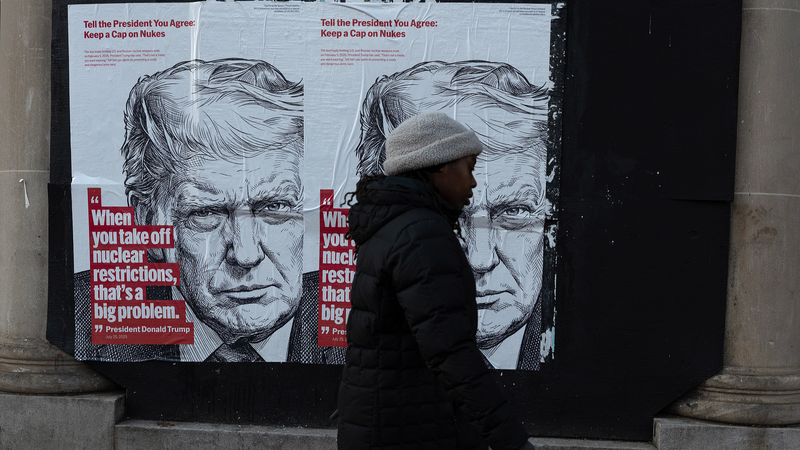
With the New Strategic Arms Reduction Treaty (New START) between the United States and Russia set to expire on February 5, 2026, the world faces heightened uncertainty over nuclear arms control. This week marks a critical juncture as the last major bilateral agreement limiting strategic nuclear arsenals nears its end, raising concerns about renewed arms races and global security instability.
Signed in 2010 and extended in 2021, New START successfully capped deployed strategic warheads at 1,550 per side while enforcing verification protocols. However, its framework has deteriorated since 2023 due to geopolitical tensions and suspended inspections. The Bulletin of the Atomic Scientists recently moved its Doomsday Clock to 85 seconds to midnight – the closest ever to symbolic catastrophe – citing the treaty's impending lapse as a key factor.
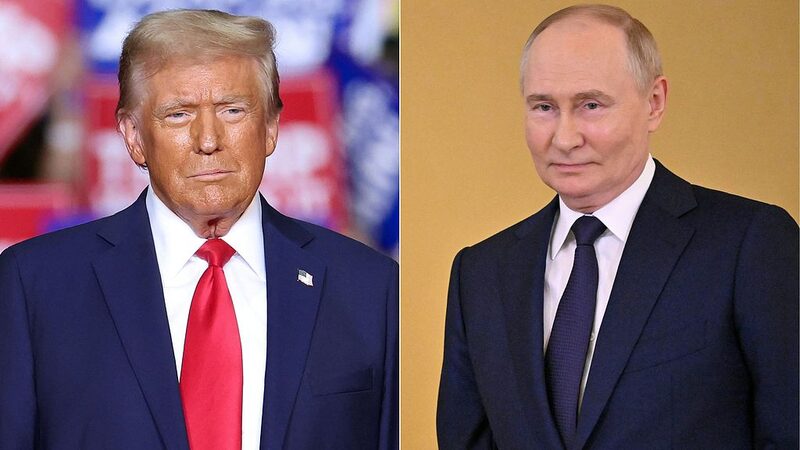
While Russian President Vladimir Putin proposed a one-year extension of core limits, negotiations remain stalled amid ongoing conflicts and mistrust. Analysts warn that expiration could trigger rapid "uploading" of warheads onto existing delivery systems, reversing decades of nuclear stockpile reductions. Daryl Kimball of the Arms Control Association cautions this would mark the first expansion of deployed arsenals in over 35 years.
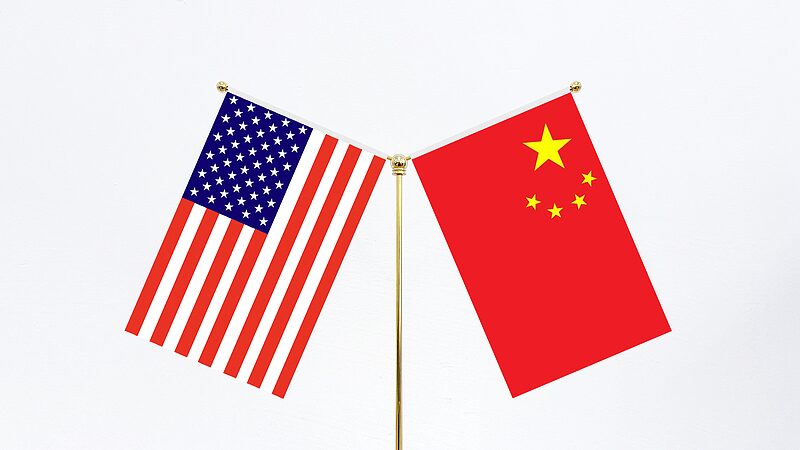
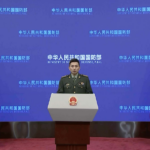
China has reiterated its commitment to nuclear restraint, maintaining a no-first-use policy and advocating for multilateral dialogue. Beijing emphasizes the need for major powers to uphold strategic stability, particularly ahead of the 2026 Nuclear Non-Proliferation Treaty Review Conference.
Experts suggest temporary measures like voluntary restraint and crisis communication channels could mitigate risks. However, the expiration underscores broader challenges in global nuclear governance, with implications for non-proliferation efforts and regional security dynamics across Asia and beyond.